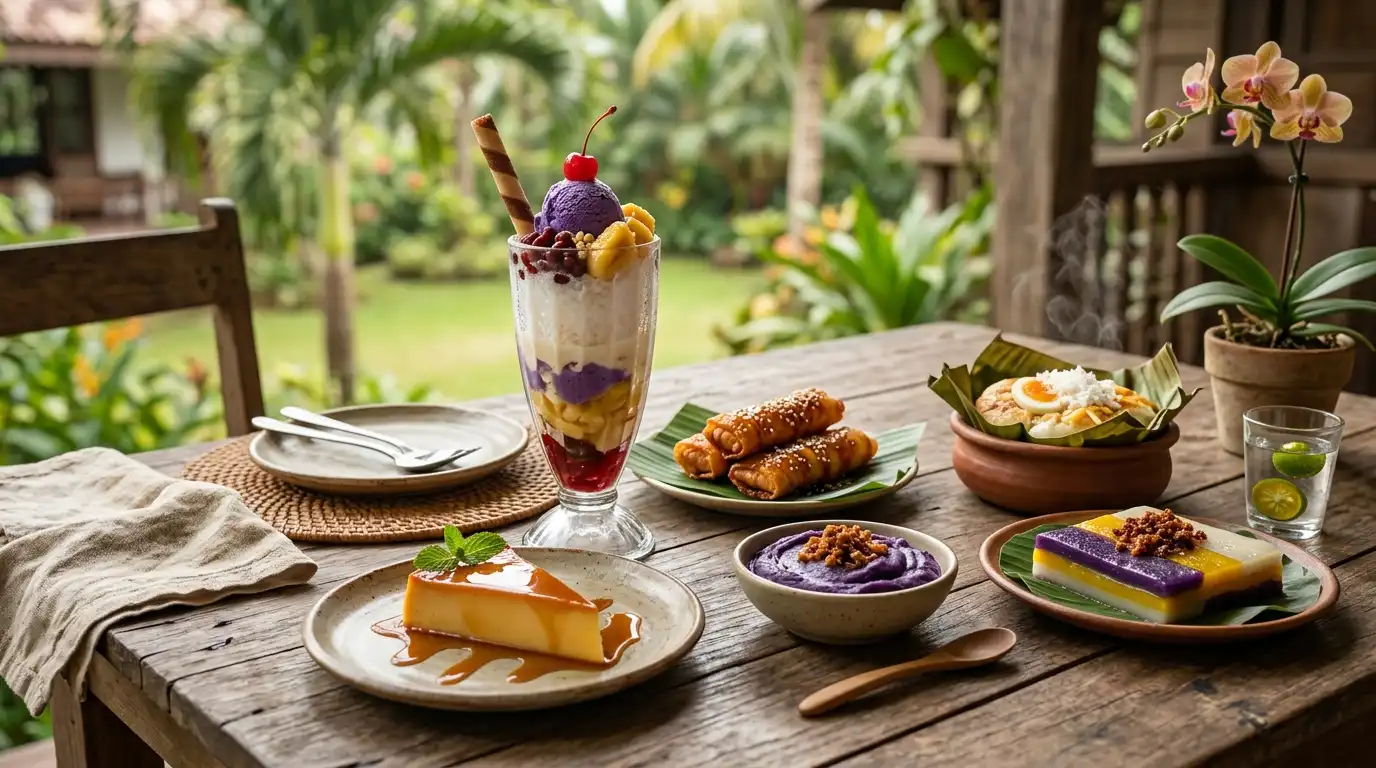
Favorite Filipino Desserts: The Ultimate Sweet Guide to the Philippines
The world of Asian confectionery is vast, but nothing quite matches the vibrant, creamy, and texture-rich universe of authentic filipino desserts. From the bustling street food stalls of Manila to the festive tables of Noche Buena, every filipino food dessert is more than just a course at the end of a meal.
These sweet creations are a cultural cornerstone, weaving together indigenous ingredients like sticky rice and coconut milk with centuries of Spanish, American, and Chinese culinary influences.
If you are searching for the absolute best filipino desserts recipes, you have landed in the perfect place.
This comprehensive guide goes beyond the basic surface-level lists you find online to uncover the historical roots, professional preparation tips, and unique flavor profiles that make Pinoy sweets completely unforgettable.
Why Filipino Desserts Own the Sweet Culinary World
To truly appreciate filipino desserts, one must understand the unique culinary philosophy behind them. Unlike Western baking, which relies heavily on wheat flour and dairy butter, traditional Pinoy sweets celebrate the abundance of tropical agriculture.
The foundational pillars of every great filipino food dessert are galapong (sticky rice flour), gata (coconut milk), cane sugar, and indigenous root crops like purple yam (ube).
The strategic brilliance of filipino desserts recipes lies in their mastery of contrasting textures. You will frequently encounter dishes that combine the chewiness of glutinous rice with the crunch of toasted coconut curd, or the silky smoothness of custard paired with bitter caramel.
It is an adventurous landscape that offers comfort food qualities while continuously surprising the palate.
The Master List of Authentic Filipino Desserts Recipes
1. Leche Flan: The Ultimate King of Custards
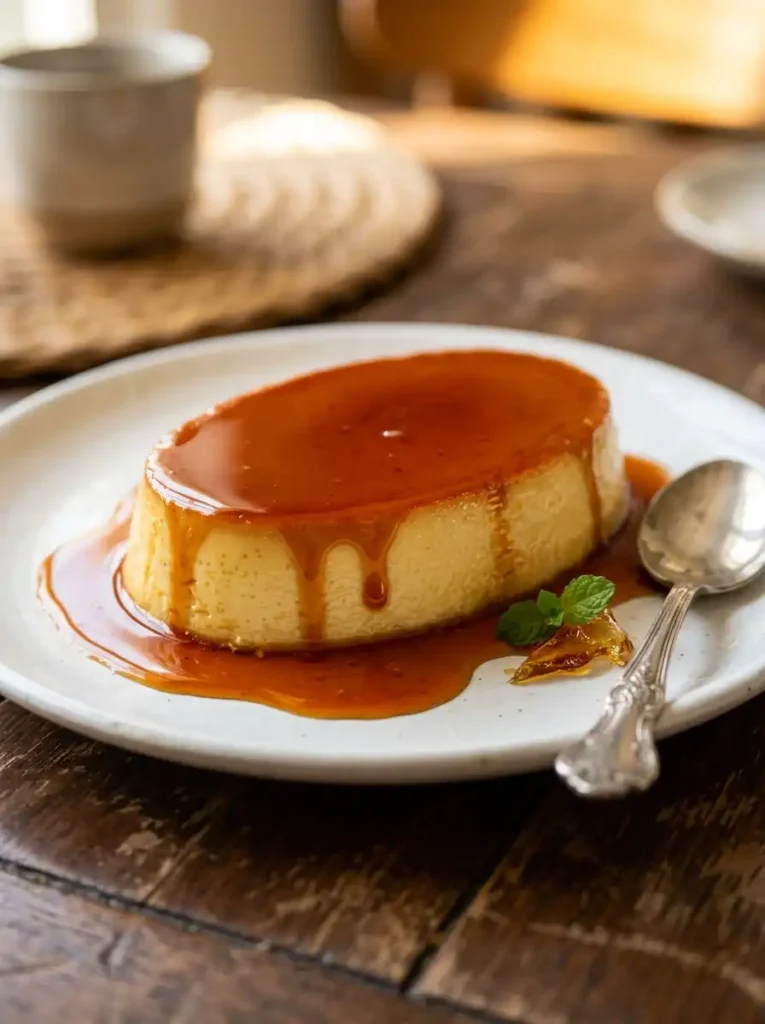
No discussion about the best filipino desserts can ever begin without acknowledging Leche Flan. Heavily influenced by the Spanish flan, the Philippine version is distinct because it uses an incredibly high concentration of egg yolks and condensed milk.
This creates a dense, velvety, ultra-rich texture that puts standard Western custards to shame.
The secret to a world-class Leche Flan is the complete absence of air bubbles. Professional bakers achieve this by straining the mixture multiple times through a fine cheesecloth and steaming it slowly in a traditional oval tin known as a llanera.
A hint of dayap (local lime) zest is traditionally added to the mixture to cut through the extreme richness of the dairy.
📖 Want to master this recipe? Read our complete step-by-step guide: How to Make Perfect Leche Flan at Home →
2. Halo-Halo: The Symphony of Textures
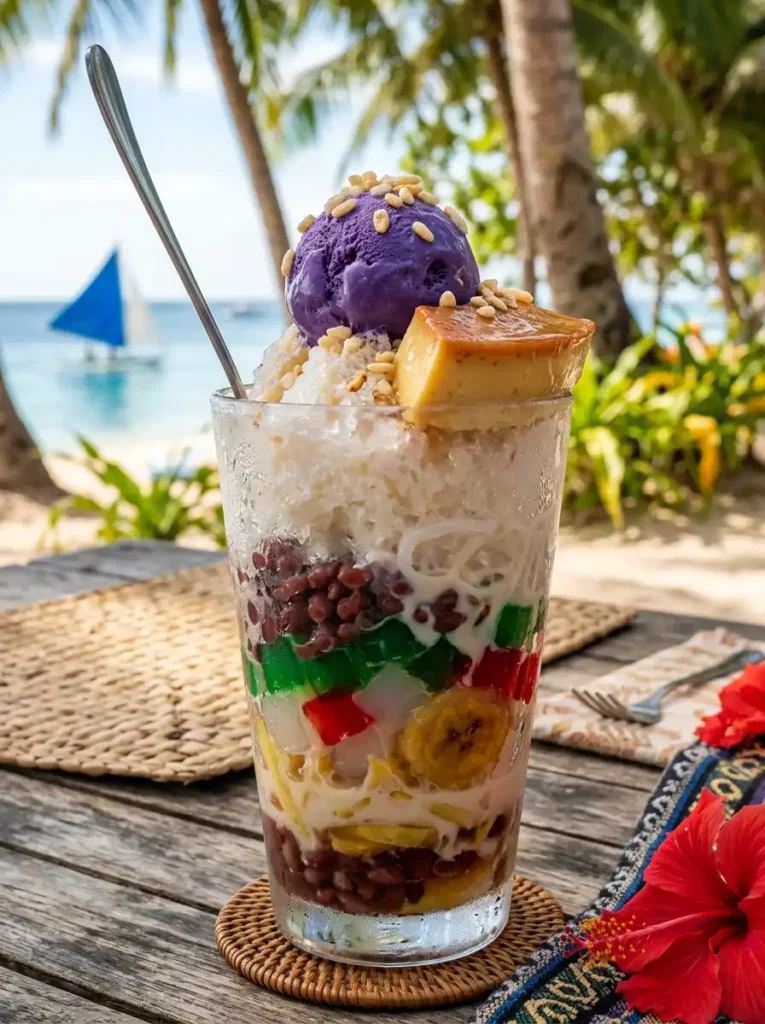
Literally translating to “mix-mix,” Halo-Halo is the visual ambassador of all filipino desserts. It is a spectacular layered creation served in a tall glass, combining crushed ice, evaporated milk, and an array of sweet ingredients.
A standard premium serving includes sweetened chickpeas, macapuno coconut strips, sago pearls, leche flan, nata de coco, and a crowning scoop of vibrant ube ice cream.
Eating Halo-Halo is an interactive experience. The goal is to aggressively mix the ingredients together until the shaved ice transforms into a thick, creamy, purple-tinted slush.
It is the ultimate antidote to the tropical heat and a beautiful representation of the multicultural history of the Philippines.
📖 Explore every ingredient in detail: The Complete Halo-Halo Ingredient Guide →
3. Ube Haleya: The Purple Yam Obsession
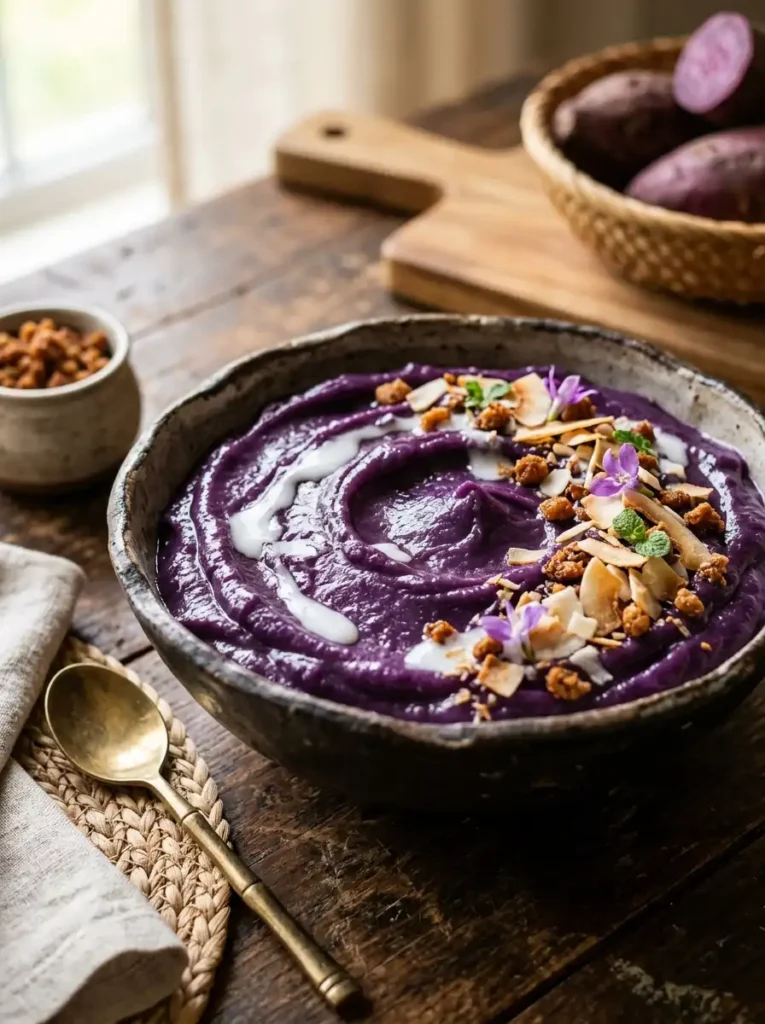
Long before ube became a global social media trend, Ube Haleya was treasured across the Philippine archipelago as one of the most beloved easy filipino desserts you can prepare at home.
This authentic preparation is made by boiling and mashing purple yam, then slow-cooking it in a large pan with butter, condensed milk, and coconut cream. It requires hours of continuous stirring until the mixture achieves a thick, spreadable, and glossy consistency.
True artisanal Ube Haleya does not rely on food coloring or artificial extracts. The deep purple hue and earthy, vanilla-like flavor come solely from high-quality native yams.
It can be eaten directly with a spoon or used as a foundational filling for various pastries and cakes.
📖 Discover everything ube: The Ultimate Guide to Ube in Filipino Cooking →
4. Turon: The Street Food Champion
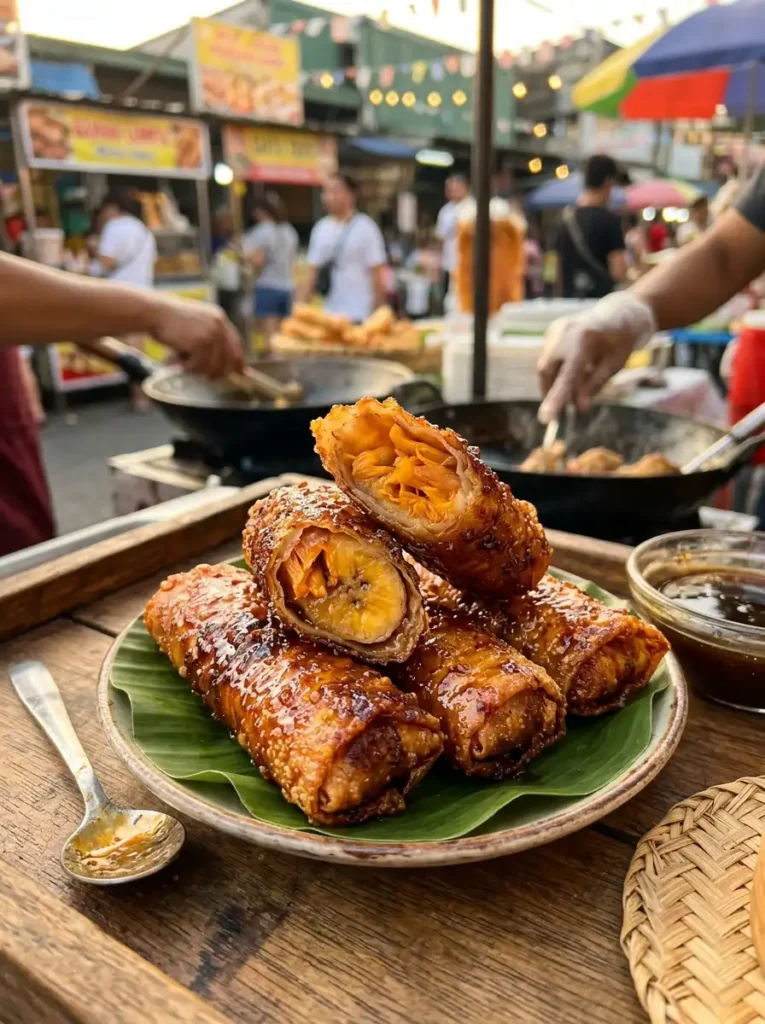
While many Westerners are familiar with savory spring rolls, the Philippines perfected the sweet version with one of its most iconic and easy filipino desserts.
Turon features ripe saba bananas and strips of langka (jackfruit) dusted generously with brown sugar, wrapped tightly in a lumpia wrapper, and deep-fried until the exterior sugar caramelizes into a brittle, glossy shell.
The perfect Turon requires a precise temperature balance during frying. If the oil is too hot, the wrapper burns before the banana cooks through; if it is too cold, the roll absorbs excessive oil and loses its crispiness.
The resulting contrast between the hot, soft fruit interior and the crunchy, sweet shell is pure culinary genius.
📖 Master Filipino street food: Top 10 Filipino Street Food Snacks Ranked →
Traditional Rice Cakes: The Soul of Filipino Food Dessert Culture
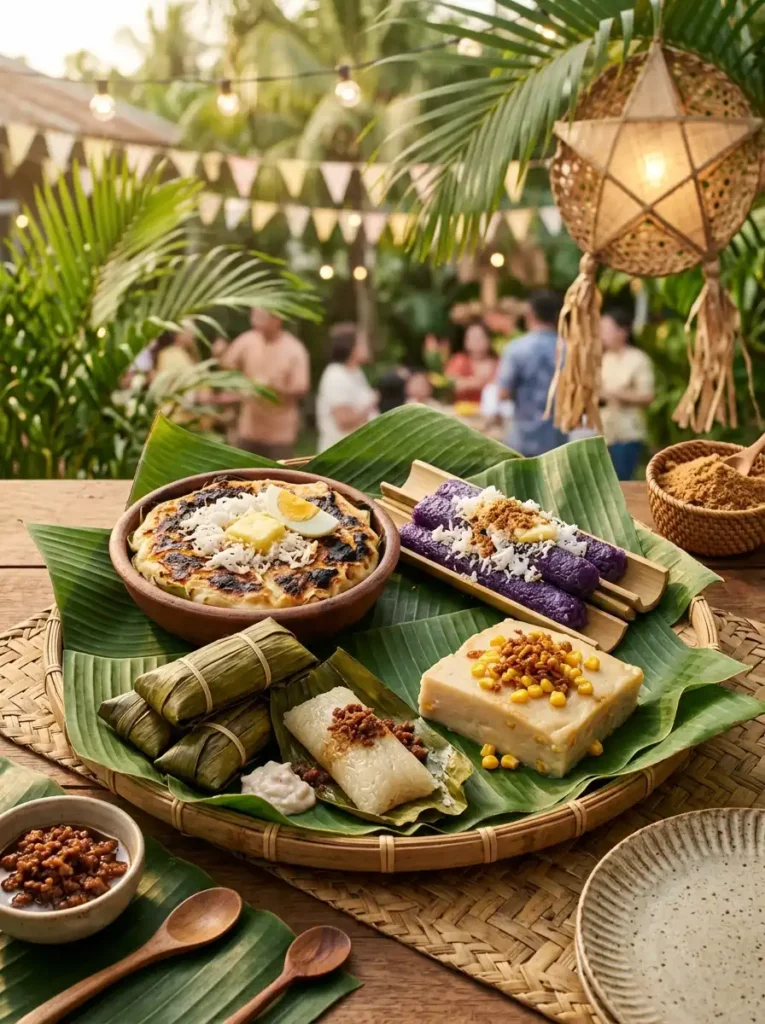
Traditional rice cakes — known collectively as kakanin — represent the oldest and most culturally significant category of authentic filipino desserts recipes.
Each variety carries a distinct regional identity and is deeply tied to seasonal celebrations and family rituals across the archipelago.
| Rice Cake (Kakanin) | Primary Ingredients | Texture Profile | Best Paired With |
|---|---|---|---|
| Suman | Glutinous rice, coconut milk, wrapped in banana leaves | Chewy, sticky, and subtly sweet | Ripe Philippine Mangoes |
| Bibingka | Rice flour, coconut milk, salted duck eggs, cheese | Soft, spongy, smoky, and charred | Hot Salabat (Ginger Tea) |
| Puto Bumbong | Pirurutong rice, steamed in bamboo tubes | Elastic, moist, and deeply aromatic | Hot Chocolate (Tsokolate) |
| Maja Blanca | Coconut milk, cornstarch, sweet corn kernels | Silky, gelatinous, and creamy | Toasted Coconut Curd (Latik) |
📖 Go deeper into rice cake culture: Kakanin Explained: A Complete Guide to Filipino Rice Cakes →
Hidden Gems: Filipino Desserts Recipes You Haven’t Tried Yet
Sapin-Sapin: The Multi-Layered Masterpiece
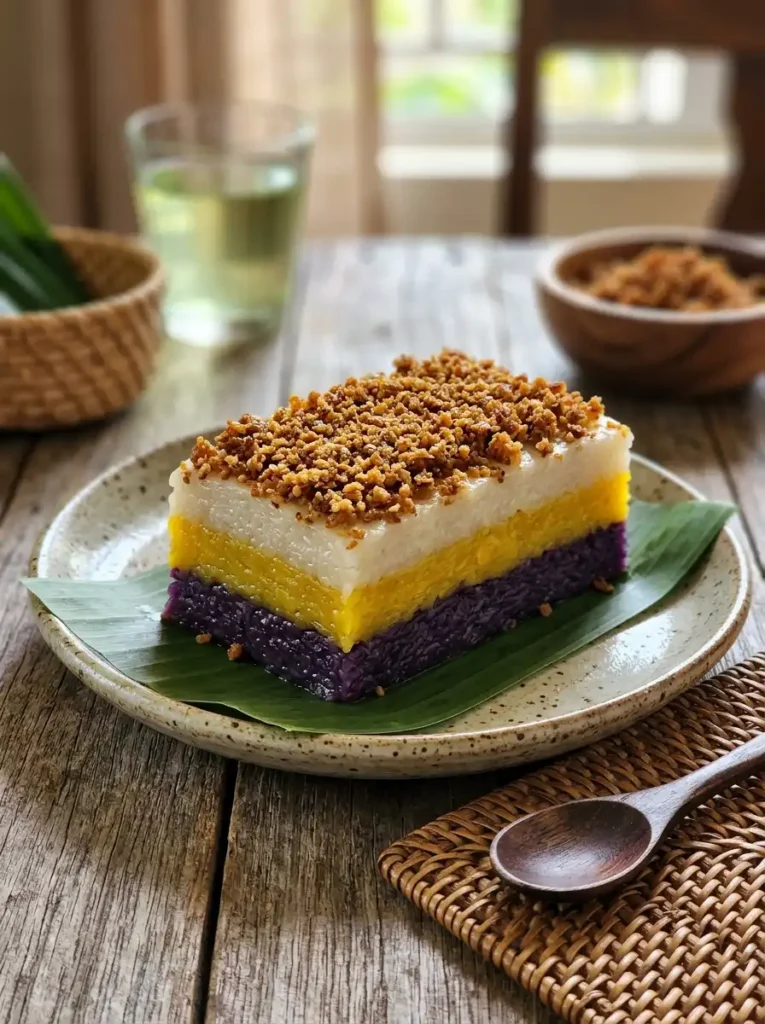
If you want a tagalog recipe dessert that showcases visual artistry alongside textural complexity, Sapin-Sapin is the answer.
This eye-catching kakanin consists of three or four distinct layers, each made from glutinous rice and coconut milk but infused with different flavors and natural colors. Typically, you will find a purple ube layer, a yellow jackfruit or squash layer, and a white plain coconut layer.
Each layer is meticulously steamed one after the other to ensure they bond perfectly without bleeding into each other’s space.
The entire cake is then topped with a generous dusting of latik (toasted coconut milk curds) to introduce a smoky flavor and a crunch that offsets the sticky texture.
Pitchi-Pitchi: The Cassava Miracle
Often overshadowed by rice-based filipino desserts, Pitchi-Pitchi is a classic tagalog recipe dessert made from grated cassava, sugar, and water infused with fragrant pandan leaves.
The mixture is steamed in small molds until it becomes translucent and incredibly soft.
Once cooled, the individual cakes are rolled in freshly grated young coconut meat or sharp cheddar cheese.
The combination of the sweet, melt-in-your-mouth cassava with the savory, salty cheese creates an addictive flavor profile that keeps locals ordering it by the boxful for family gatherings.
Bibingka: The Christmas Classic
No list of authentic tagalog recipe dessert traditions would be complete without Bibingka. This seasonal rice cake is baked in clay pots lined with banana leaves, producing a smoky, charred exterior with a soft, pillowy center.
Traditionally sold outside churches during the Christmas Simbang Gabi masses, Bibingka is topped with salted duck eggs, fresh coconut shavings, and a generous layer of butter.
📖 Explore Christmas Filipino food: Complete Guide to Filipino Christmas Desserts and Kakanin →
Pro-Tips for Replicating Filipino Dessert Recipes at Home
Achieving the authentic taste of the islands requires adhering to specific ingredient standards.
If you are baking outside of the Philippines, standard grocery store substitutions can drastically alter the final product of any traditional filipino dessert recipes.
Use Full-Fat Coconut Cream — Always
Always seek out authentic canned coconut cream rather than light coconut milk. The high fat content is absolutely essential for getting the signature mouthfeel in easy filipino desserts like Maja Blanca and Ube Haleya.
Light coconut milk will produce a watery, flat result that lacks the richness these recipes demand.
Choose Muscovado Sugar Over Standard Brown Sugar
When any of your filipino desserts recipes calls for brown sugar, look for muscovado sugar if possible.
Its deep molasses undertone closely mimics the native unrefined cane sugars traditionally used in the provinces. The difference in final flavor depth is immediately noticeable.
Never Skip the Banana Leaf Technique
Never underestimate the power of banana leaves in traditional filipino food dessert preparation.
Passing a fresh banana leaf quickly over an open flame softens it and releases essential oils that impart a delicate, smoky aroma to baked cakes like Bibingka and steamed parcels like Suman. This single step separates an authentic result from a merely adequate one.
The Evolution of Contemporary Filipino Desserts
The landscape of filipino desserts is not frozen in time. While traditional preparations remain deeply respected, a new generation of pastry chefs is pushing the boundaries of what Pinoy sweets can look like. We are currently witnessing a fascinating golden age of culinary fusion.
Elements like ube and leche flan are being integrated into Western pastry frameworks. It is now common to find Ube Croissants in modern Manila cafes, or Sans Rival cake — a decadent filipino food dessert made of dacquoise, French buttercream, and chopped cashews — being reimagined with local artisan salts.
This dynamic evolution ensures that the sweet traditions of the Philippines continue to capture the imaginations of food lovers globally while staying firmly rooted in rich cultural heritage.
Frequently Asked Questions About Filipino Desserts
What is the most popular filipino dessert?
Leche Flan is widely considered the single most popular and universally recognized filipino food dessert.
It appears at virtually every celebration, from simple family gatherings to major holiday feasts like Noche Buena. Halo-Halo follows closely as the most iconic summer filipino dessert recipes experience in the country.
What are the easiest filipino desserts to make at home?
The most accessible easy filipino desserts for home cooks include Maja Blanca, Pitchi-Pitchi, and Ube Haleya. These three require no specialized baking equipment — only a stovetop, basic molds, and authentic coconut cream.
Maja Blanca in particular can be completed in under 30 minutes, making it one of the most beginner-friendly filipino desserts recipes available.
Can I make filipino dessert recipes without coconut milk?
While substitutions are possible, removing coconut milk fundamentally changes the character of most traditional filipino dessert recipes.
For dishes like Maja Blanca and Ube Haleya, coconut cream is structurally essential. Heavy cream can serve as an emergency substitute, but the distinctive tropical flavor profile of authentic filipino desserts will be significantly altered.
Which filipino desserts use ube?
Ube appears in a remarkable range of filipino desserts recipes. The most direct preparations are Ube Haleya, Ube Ice Cream, and Ube Halaya Cake.
It also serves as a key flavoring layer in Sapin-Sapin and Halo-Halo. In the contemporary scene, ube is now found in croissants, cheesecakes, and donuts created by modern Filipino pastry chefs.
What is a traditional tagalog recipe dessert?
A classic tagalog recipe dessert refers to sweets that originated in the Tagalog-speaking regions of Luzon. Iconic examples include Sapin-Sapin, Suman, Puto, Kutsinta, and Bibingka.
These preparations are defined by their use of glutinous rice, coconut milk, and natural colorings derived from local plants — making them some of the most culturally authentic easy filipino desserts in existence.
Final Thoughts on Filipino Desserts Recipes
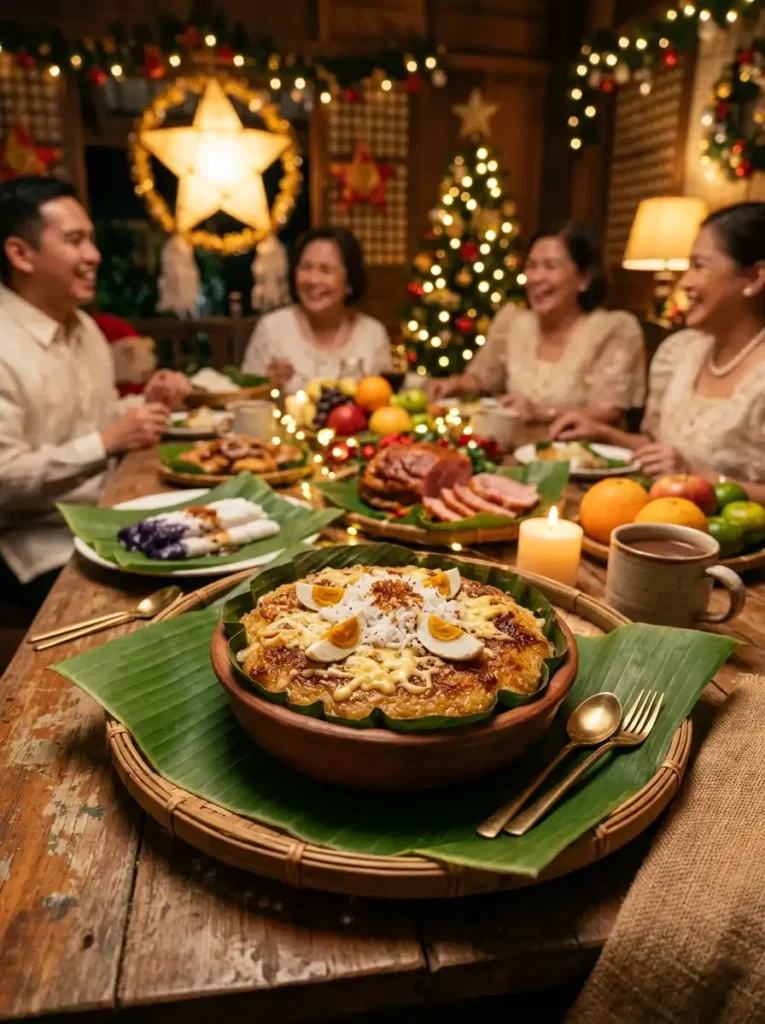
Whether you prefer the silky elegance of a perfectly steamed Leche Flan, the refreshing complexity of a tall glass of Halo-Halo, or the comforting chewiness of a traditional tagalog recipe dessert, exploring authentic filipino desserts is a genuine adventure for the senses. Each bite tells a story of survival, adaptation, celebration, and community.
The next time you seek a truly unique sweet experience, bypass the standard pastries and dive deep into the beautiful, tropical world of filipino desserts recipes. Start with one recipe this week — your kitchen will never smell the same again.