Southern Caramel Cake (Old-Fashioned, Cooked Icing)
Quick Answer
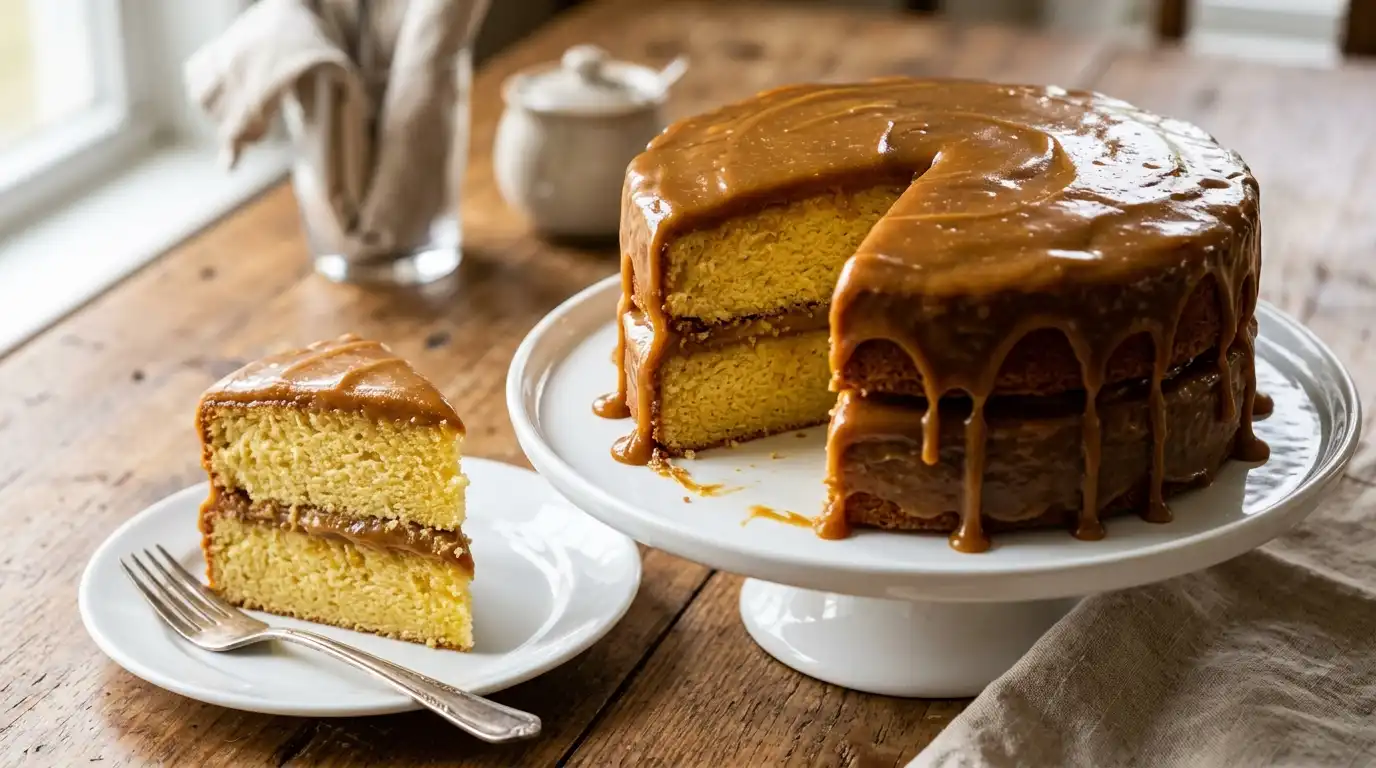
Caramel cake is a Southern classic made of soft, buttery yellow cake layers covered in a rich, cooked caramel icing. The cake itself is simple — a basic butter or oil-based yellow cake — but what makes it special is the icing, which is cooked on the stovetop from brown sugar, butter, and buttermilk or cream until it turns glossy and fudge-like. It’s believed to have originated in the Mississippi Delta region, where it’s traditionally served at birthdays, holidays, and other special occasions.
This guide covers the full recipe using a cooked brown-sugar icing (easier than the traditional burnt-sugar version but just as rich), plus the exact technique for getting the icing to set properly, and answers to the most common questions people have before baking.
What Makes Caramel Cake Different From Other Cakes?
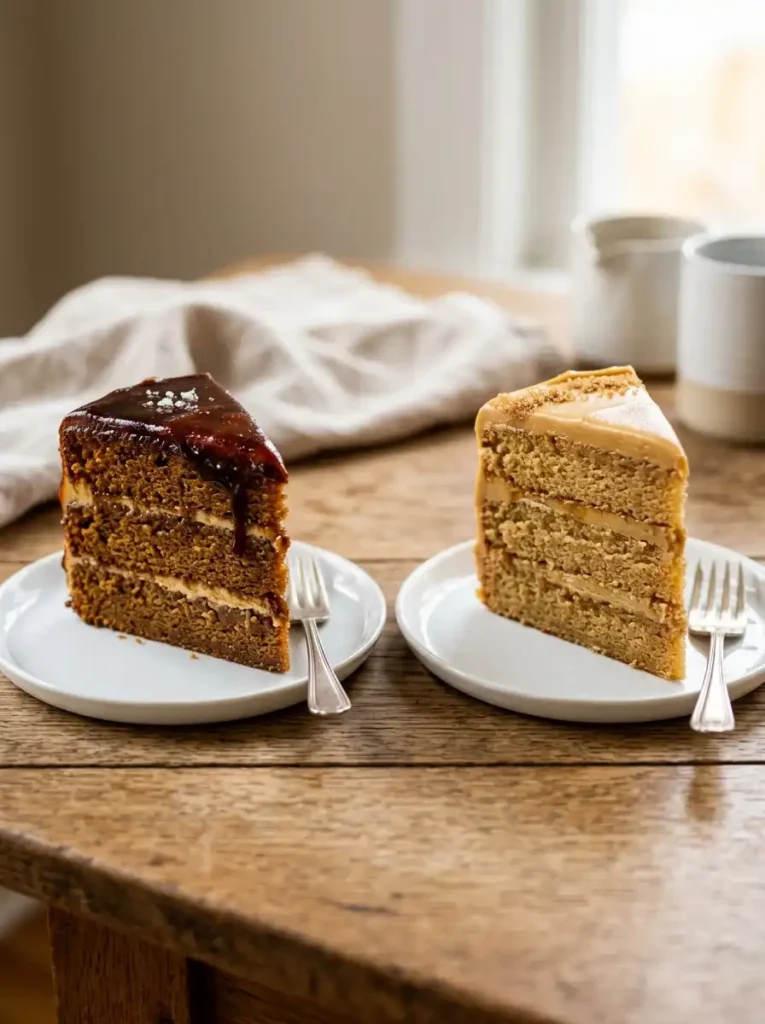
At its core, caramel cake is just a basic yellow butter cake. What sets it apart is entirely the icing. Unlike a simple caramel buttercream (butter, powdered sugar, and store-bought caramel sauce), true Southern caramel cake icing is cooked — sugar, butter, and a dairy component are simmered together on the stove until they thicken into a glossy, fudge-textured icing that hardens slightly as it cools.
There are two main styles of caramel icing:
- Burnt sugar (traditional): Granulated sugar is caramelized directly in a hot skillet until deep amber, then combined with boiling cream or milk. This is the most authentic version but takes practice — the sugar burns easily and can seize when the liquid is added.
- Brown sugar (shortcut): Brown sugar, butter, and buttermilk or evaporated milk are simmered together, which gives a similar caramel depth without the risk of burning granulated sugar. This is the version most home bakers use today, and the one in this recipe.
If you’ve made our chocolate caramel cake before, this recipe uses a similar cooked icing technique, just without the cocoa in the cake itself — this is the classic, all-caramel Southern version.
Where Did Caramel Cake Come From?
Caramel cake is widely believed to have originated in the Mississippi Delta region, growing out of a Southern tradition of caramelizing sugar for pralines and other confections. It’s a special-occasion cake — the kind that traditionally shows up at birthdays, holidays, family reunions, and other milestone celebrations rather than as an everyday dessert, largely because the cooked icing takes time and a bit of practice to get right.
Southern Caramel Cake (Full Recipe)
Ingredients
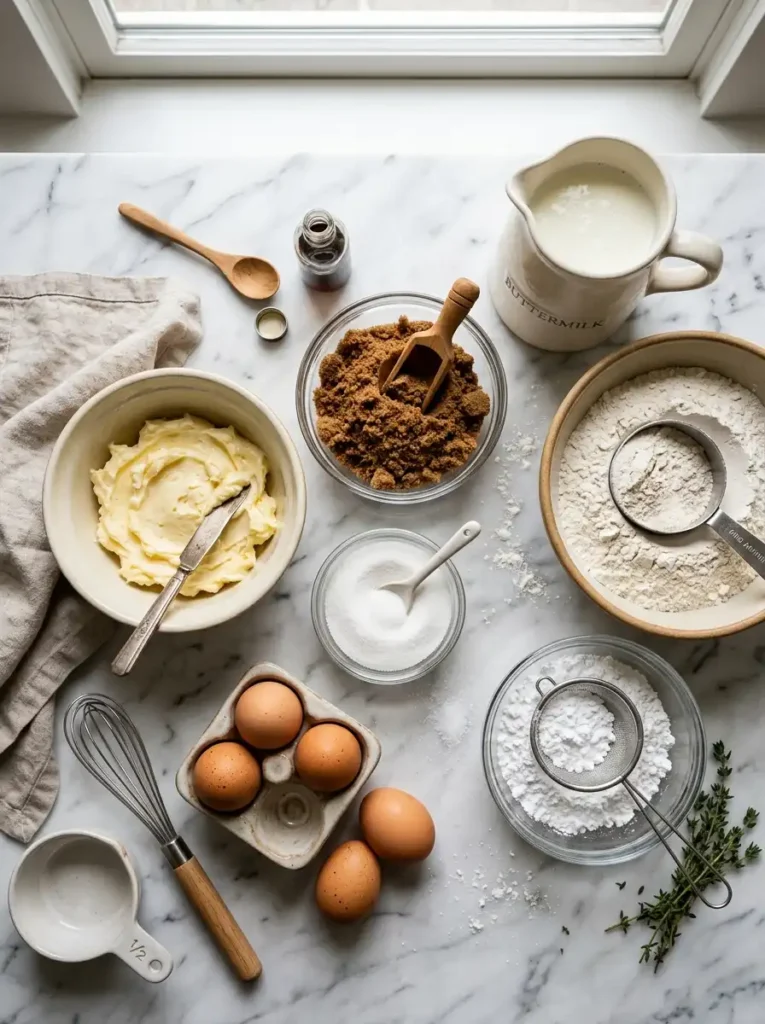
For the cake:
- 1 cup unsalted butter, softened
- 2 cups granulated sugar
- 4 large eggs, room temperature
- 3 cups all-purpose flour (or self-rising flour, omitting the baking powder and salt below)
- 1 tablespoon baking powder
- ½ teaspoon salt
- 1 cup buttermilk, room temperature
- 2 teaspoons vanilla extract
For the caramel icing:
- 1 cup unsalted butter
- 2 packed cups brown sugar (light or dark)
- ½ cup buttermilk or evaporated milk
- ½ teaspoon salt
- 3 cups powdered sugar, sifted
- 1 teaspoon vanilla extract
Instructions
Step 1: Make the cake batter.
Preheat oven to 350°F (175°C). Grease and flour two 9-inch cake pans. Cream the butter and granulated sugar together until light and fluffy, about 4 minutes. Add eggs one at a time, mixing well after each addition.
Step 2: Add dry and wet ingredients alternately.
Whisk together flour, baking powder, and salt in a separate bowl. Add about a third of the flour mixture to the batter, mix briefly, then add half of the buttermilk. Repeat, ending with the last of the flour mixture. Stir in vanilla. Do not overmix once the flour is added — this is what keeps the cake tender instead of dense.
Step 3: Bake.
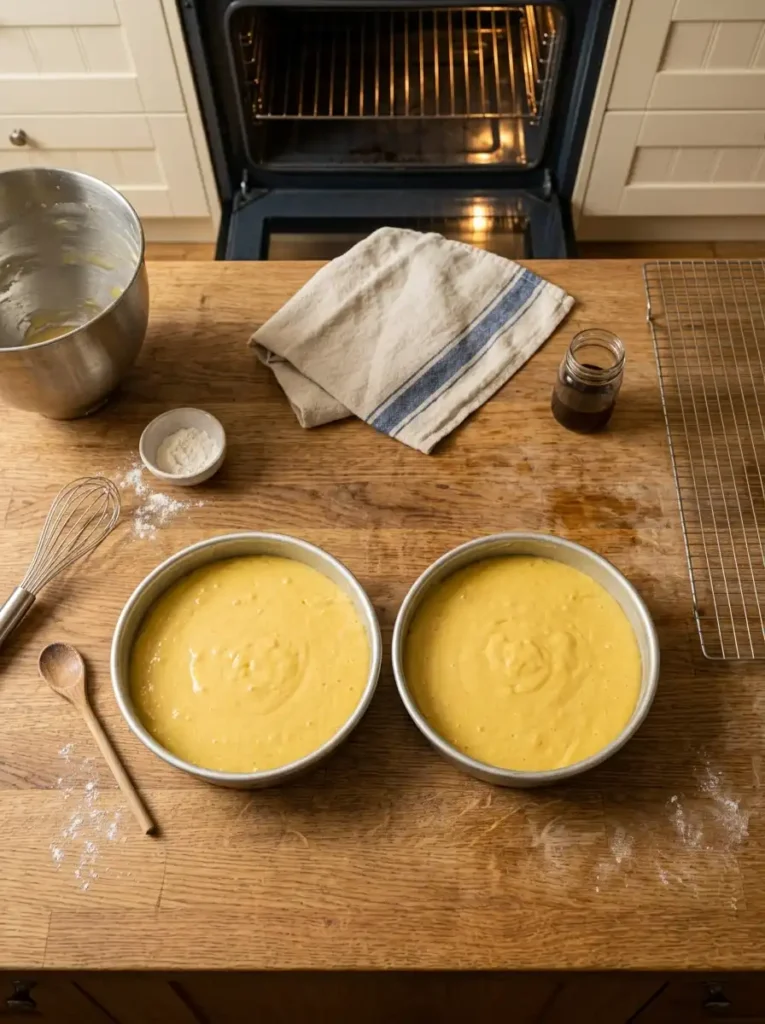
Divide the batter evenly between the two prepared pans. Bake for 25-30 minutes, until a toothpick inserted in the center comes out clean. Let the cakes cool in their pans for 10 minutes, then turn out onto a wire rack to cool completely before icing.
Step 4: Cook the caramel icing.
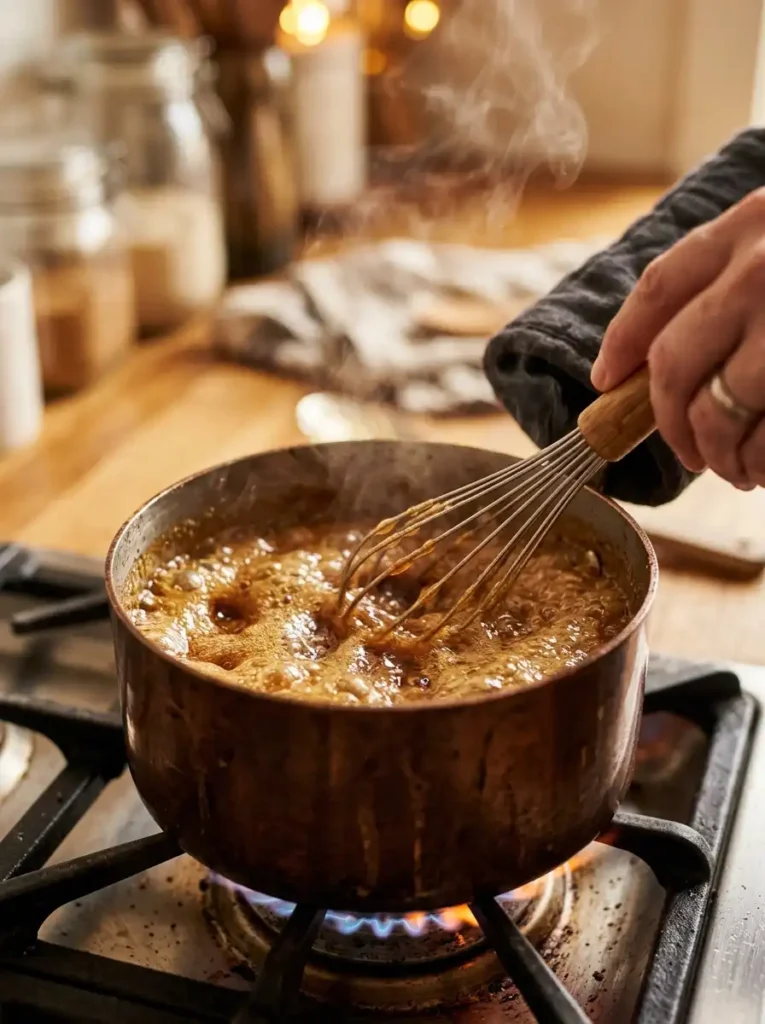
Melt the butter in a medium saucepan over low heat. Add the brown sugar and whisk to combine. Bring to a gentle boil over medium heat and let it bubble for about 5 minutes, whisking constantly.
Step 5: Add the buttermilk.
Slowly and carefully pour in the buttermilk or evaporated milk while whisking — it will bubble up when it hits the hot sugar mixture. Continue stirring until the mixture returns to a full, rolling boil, then remove from heat and stir in the salt.
Step 6: Finish the icing.
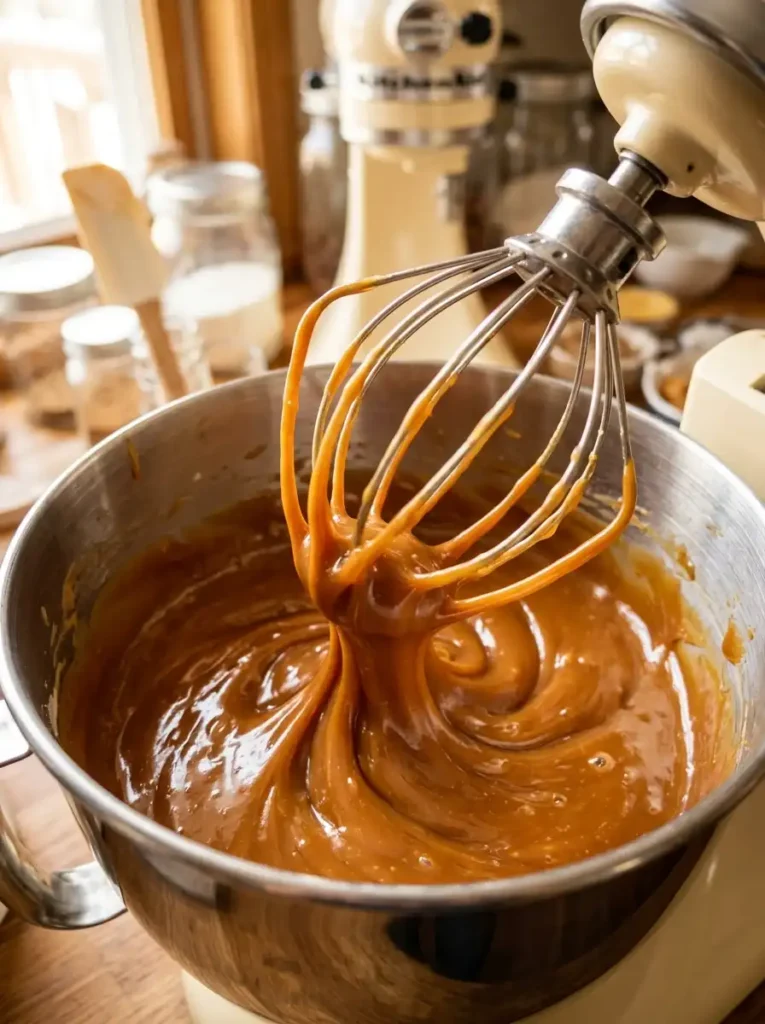
Transfer the hot caramel mixture to a stand mixer bowl. With the mixer on low, gradually add the sifted powdered sugar until smooth and glossy. Mix in the vanilla extract last.
Step 7: Ice the cake immediately.
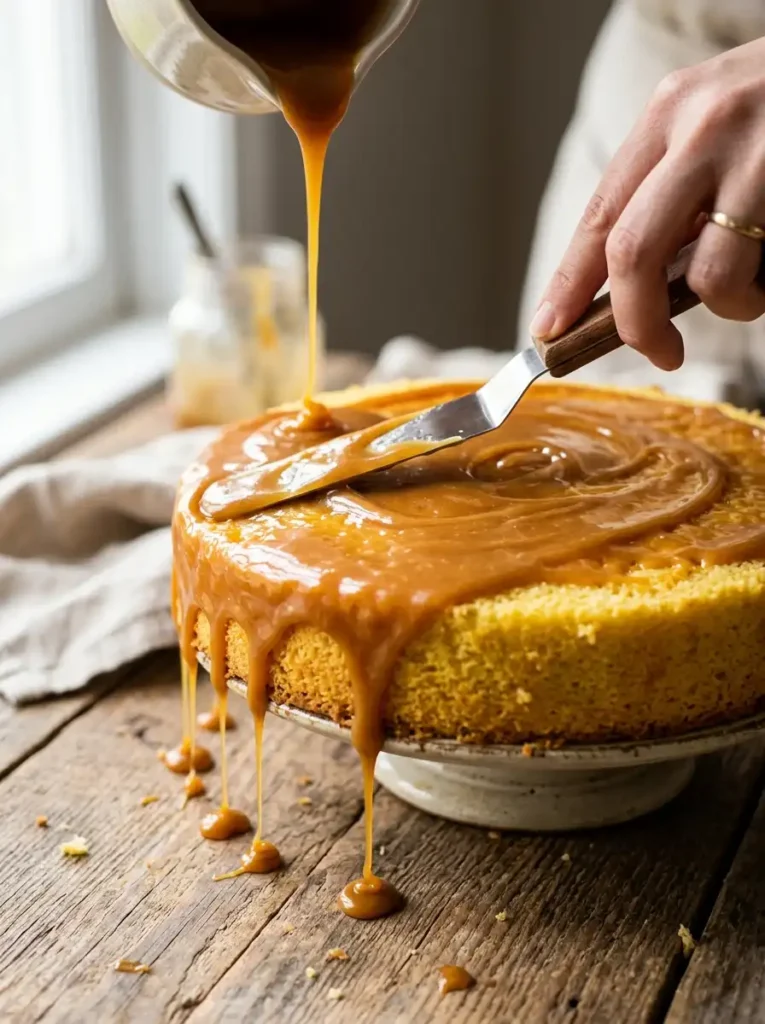
This icing sets as it cools, so work quickly. Spread about 1 cup of icing between the two cake layers, then cover the top and sides with the remaining icing while it’s still warm and pourable. If it starts to harden before you finish, microwave it in 10-second bursts to loosen it back up.
Makes one 9-inch, 2-layer cake — about 12 servings.
Common Questions About the Icing
Can I put caramel between cake layers?
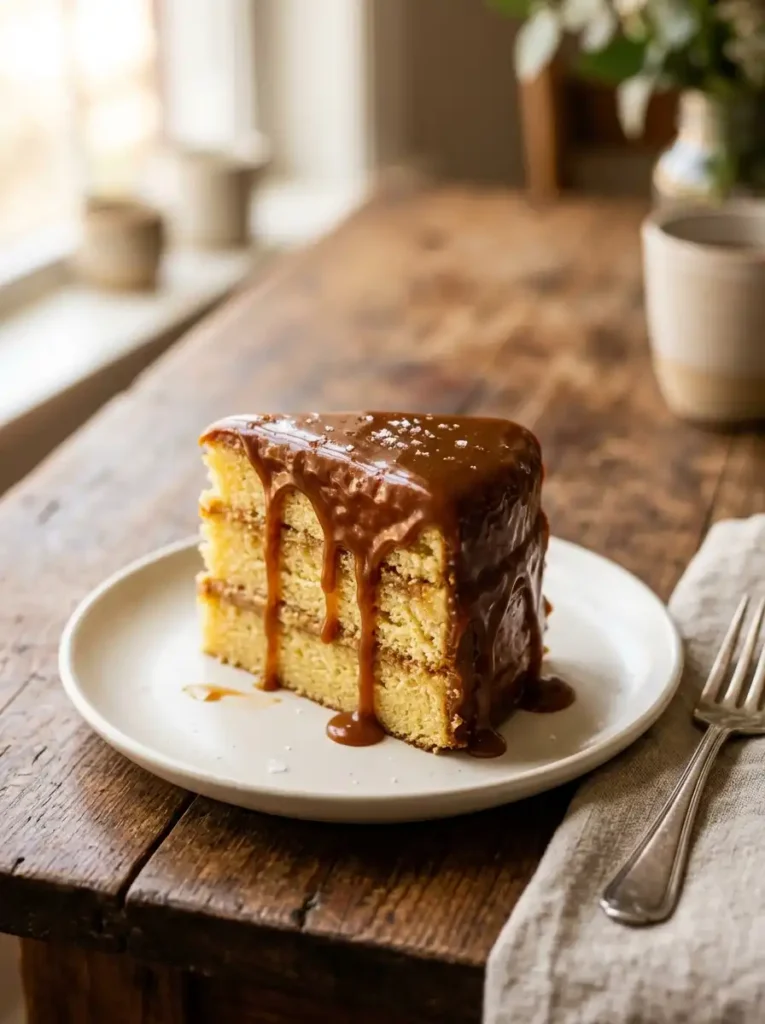
Yes — in fact, that’s the standard way to build a caramel cake. Spread about a third of the icing between the layers before covering the outside, so every slice has caramel running through the middle, not just on top.
Does condensed milk turn into caramel?
Sweetened condensed milk can be turned into a dulce de leche-style caramel when slowly heated (either in a water bath or a sealed can simmered in water), but it’s a different process and result than the cooked brown-sugar icing in this recipe. Some caramel cake variations do use dulce de leche as a filling or in the frosting for extra richness.
What’s the secret to good caramel icing?
Constant whisking and correct timing. The icing needs to reach a full boil to properly dissolve the sugar and develop the right texture, but it also sets up fast once it cools, so have your cake layers ready and cooled before you start cooking the icing.
Tips for the Best Caramel Cake
- Make sure your cake layers are completely cool before icing — warm cake will melt the icing and make it slide right off.
- Have everything ready before you start the icing. It moves fast and sets up even faster, so there’s no time to hunt for the powdered sugar mid-recipe.
- Use room-temperature buttermilk in both the cake and icing steps to prevent the batter or icing from seizing when combined with warm ingredients.
- If the icing hardens too much before you finish spreading it, a few short bursts in the microwave will loosen it back up without ruining the texture.
Storage and Make-Ahead
- Room temperature: Caramel cake can sit covered at room temperature for up to 2 days.
- Refrigerator: Store covered in the fridge for up to 5 days. The icing firms up when chilled, so let slices sit at room temperature for about 20 minutes before serving for the best texture.
- Freezer: The unfrosted cake layers freeze well for up to 3 months, wrapped tightly in plastic wrap. The caramel icing is best made fresh, since it doesn’t thaw and re-soften as smoothly.
- Make-ahead tip: Bake the cake layers a day ahead and store them wrapped at room temperature, then make the icing fresh right before serving for the best texture and shine.
Caramel Cake FAQ
Can I put caramel syrup in cake mix to make this easier?
Yes, a doctored cake mix with caramel syrup swirled in can shortcut the base cake, though it won’t have quite the same texture as a from-scratch butter cake. This works well if you still want to make the full cooked caramel icing but want to save time on the cake itself.
What cake mix works best for caramel cake?
A yellow or butter-flavored cake mix is the closest match to the from-scratch version in this recipe. Follow the box instructions for the cake, then top it with the homemade caramel icing above for the full Southern caramel cake experience.
What is the secret ingredient to a moist caramel cake?
Buttermilk is the key ingredient most home bakers underuse. It adds moisture and a slight tang that balances the sweetness of the caramel icing, and it’s what gives Southern caramel cake its signature tender crumb.
Why did my caramel icing turn out grainy instead of smooth?
This usually happens when the sugar wasn’t fully dissolved before the mixture came off the heat, or when powdered sugar was added too quickly. Make sure the icing reaches a full rolling boil before removing it from heat, and add the powdered sugar gradually while mixing.
Can I make caramel cake without a stand mixer?
Yes. A hand mixer works fine for both the cake batter and the icing — the icing just requires a bit more arm strength and attention since you’re working against a mixture that sets up quickly.
Love Southern-style baking? Try our chocolate caramel cake or salted caramel cupcakes for more ways to get that rich caramel flavor at home.
Southern Caramel Cake
Ingredients
Equipment
Method
- Make the cake batter: Preheat oven to 350°F (175°C). Grease and flour two 9-inch cake pans. Cream the butter and granulated sugar together until light and fluffy, about 4 minutes. Add eggs one at a time, mixing well after each addition.
- Add dry and wet ingredients alternately: Whisk together flour, baking powder, and salt in a separate bowl. Add about a third of the flour mixture to the batter, mix briefly, then add half of the buttermilk. Repeat, ending with the last of the flour mixture. Stir in vanilla. Do not overmix once the flour is added.
- Bake: Divide the batter evenly between the two prepared pans. Bake for 25-30 minutes, until a toothpick inserted in the center comes out clean. Let the cakes cool in their pans for 10 minutes, then turn out onto a wire rack to cool completely before icing.
- Cook the caramel icing: Melt the butter in a medium saucepan over low heat. Add the brown sugar and whisk to combine. Bring to a gentle boil over medium heat and let it bubble for about 5 minutes, whisking constantly.
- Add the buttermilk: Slowly and carefully pour in the buttermilk or evaporated milk while whisking, it will bubble up when it hits the hot sugar mixture. Continue stirring until the mixture returns to a full, rolling boil, then remove from heat and stir in the salt.
- Finish the icing: Transfer the hot caramel mixture to a stand mixer bowl. With the mixer on low, gradually add the sifted powdered sugar until smooth and glossy. Mix in the vanilla extract last.
- Ice the cake immediately: This icing sets as it cools, so work quickly. Spread about 1 cup of icing between the two cake layers, then cover the top and sides with the remaining icing while it’s still warm and pourable. If it starts to harden before you finish, microwave it in 10-second bursts to loosen it back up.