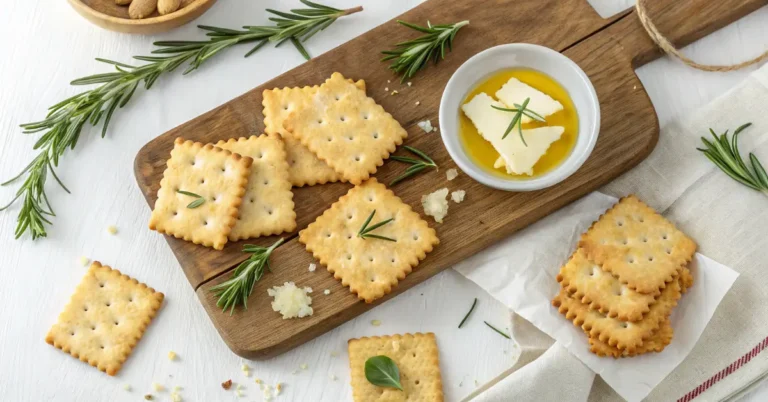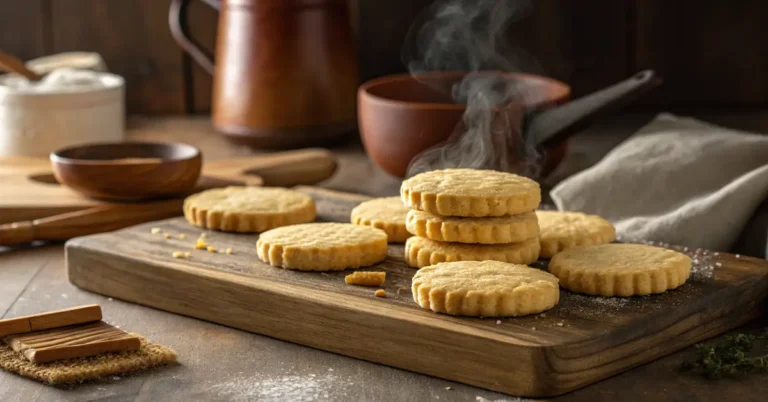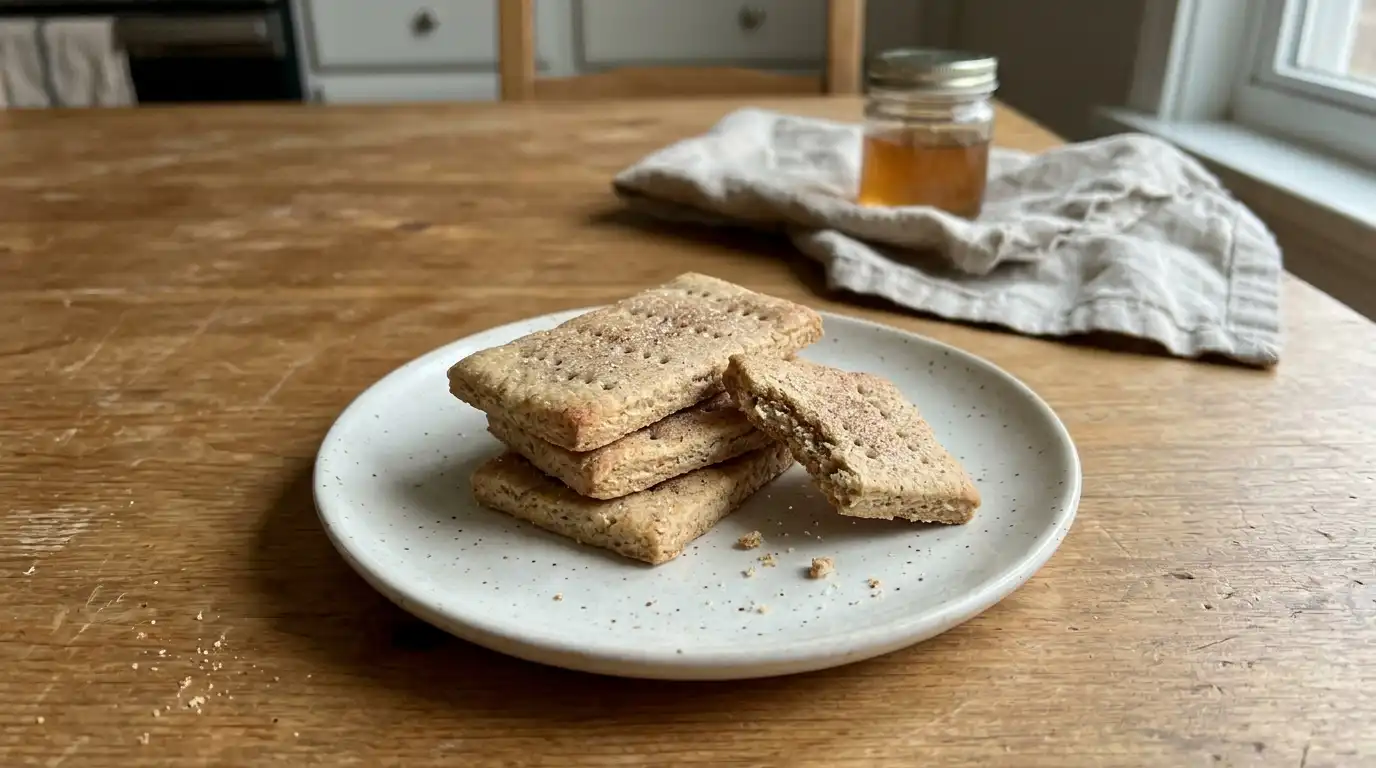
Homemade Gluten Free Graham Crackers Recipe
If you’re wondering whether graham crackers are gluten free, the short answer is that many traditional versions contain wheat, while packaged options vary. Check the current ingredient and allergen statements rather than relying on an old brand list. This gluten free graham crackers recipe is a from-scratch option for readers who want to bake a batch for snacking, s’mores, or dessert crumbs.
This gluten free graham crackers recipe is still a test draft. The formula uses a 1:1 gluten-free flour blend with honey, brown sugar, cinnamon, and molasses; the bake time, crispness, and yield are provisional until kitchen-tested. For even shapes, this gluten free graham crackers recipe cuts the dough into rectangles from one rolled sheet.
Are graham crackers gluten free?
Traditional graham crackers are generally made with wheat-based graham flour, but packaged products and ingredients can differ. If you need to avoid gluten, check the package for a gluten-free label and allergen information. For celiac-safe baking, also prevent cross-contact from shared utensils and baking sheets. This homemade gluten free graham crackers recipe gives you control over the ingredients, but the flour blend and every other ingredient still need to be suitable for your needs. When making this gluten free graham crackers recipe for a guest with celiac disease, check labels and prevent cross-contact.
Why this gluten free graham crackers recipe uses a measured flour blend
Gluten-free blends vary in starch, protein, and binder content. That changes how much liquid the dough absorbs and whether it rolls without cracking. To keep the crackers evenly shaped in this gluten free graham crackers recipe, use a 1:1 baking blend that already contains xanthan gum, weigh it, and record the brand. Do not use a wheat-cracker recipe and simply swap in gluten-free flour without testing the liquid balance.
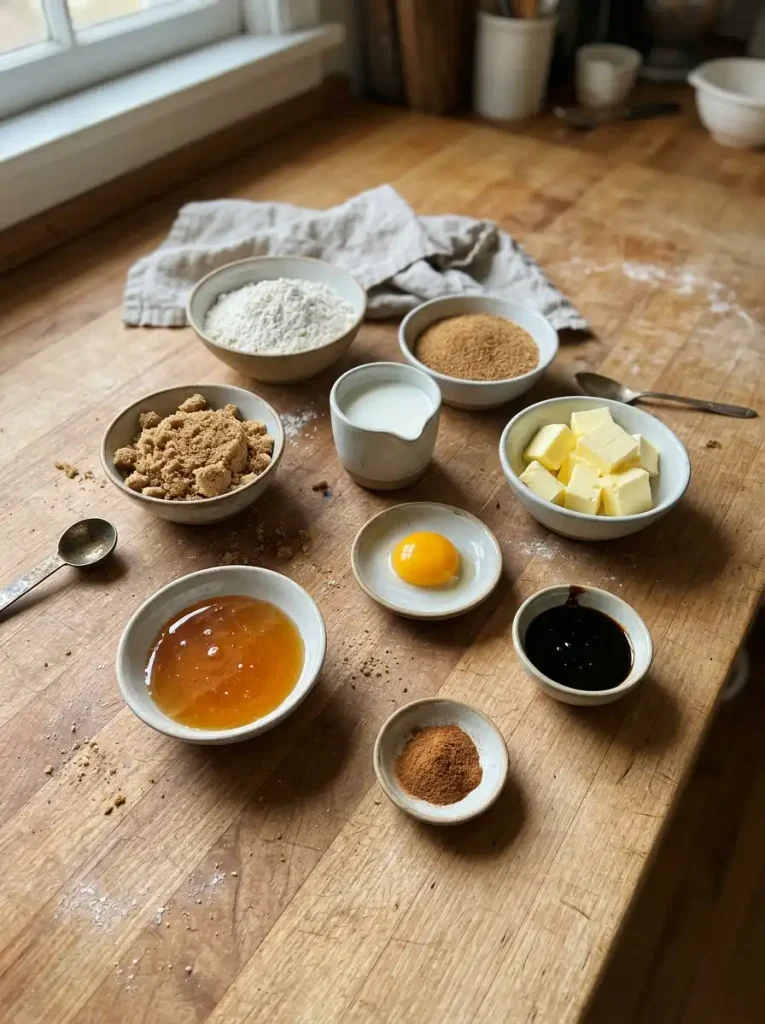
The table shows the provisional formula with the flour blend set to 100%. These percentages are only a test reference, not a conversion chart.
| Ingredient | Test weight | Baker’s percentage |
|---|---|---|
| 1:1 gluten-free flour blend | 250 g | 100% |
| Light brown sugar | 67 g | 27% |
| Cold unsalted butter | 70 g | 28% |
| Honey | 42 g | 17% |
| Molasses | 20 g | 8% |
| Egg yolk | 18 g | 7% |
| Cold milk | 30 g | 12% |
For the first test of this gluten free graham crackers recipe, keep the listed weights and flour brand unchanged so the result can be assessed fairly.
Ingredients for this gluten free graham crackers recipe
- 1:1 gluten-free flour blend: Choose a baking blend intended to replace wheat flour and containing xanthan gum. Weigh it rather than scooping from the bag; too much flour can make the dough dry and difficult to roll.
- Brown sugar, honey, and molasses: These provide the sweet, warm flavor associated with graham crackers. Keep the amounts measured in the first test because extra syrup can change the dough texture.
- Cold butter: Cut it into small cubes and work it into the flour mixture until coarse crumbs form. This is the test method for tender, crisp crackers; softened or melted butter would change the dough.
- Egg yolk and milk: The yolk helps bind the dough, while a small amount of cold milk brings it together. Add only the listed amount in the first test.
- Cinnamon, vanilla, and leaveners: Cinnamon adds a gentle spice note, while vanilla rounds out the flavor. Measure the baking powder, baking soda, and salt carefully.
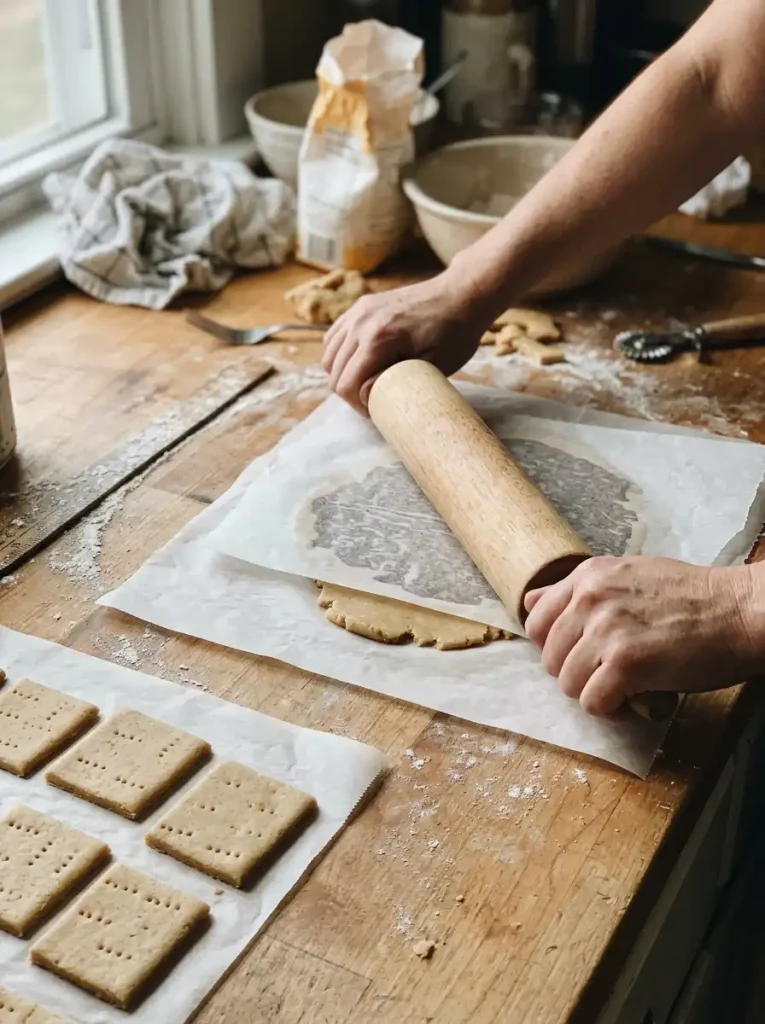
How to make this gluten free graham crackers recipe
- Prepare the pans. Heat the oven to 350°F (175°C). Line two light-colored baking sheets with parchment. Keep a rolling pin and ruler nearby.
- Whisk the dry ingredients. Combine the gluten-free flour blend, brown sugar, cinnamon, baking powder, baking soda, and salt in a large bowl.
- Cut in the butter. Add the cold butter cubes. Use a pastry cutter or your fingertips to work them into the dry ingredients until the mixture looks like coarse crumbs with a few small butter pieces remaining.
- Add the wet ingredients. Whisk the egg yolk, honey, molasses, vanilla, and cold milk in a small bowl. Stir this mixture into the dry ingredients just until a dough forms. For the first batch from this gluten free graham crackers recipe, record if the dough is crumbly or sticky before changing any liquid.
- Chill the dough. Divide it in half, flatten each half into a disk, wrap, and refrigerate for a provisional 30 minutes. This is intended to firm the butter and make the dough easier to roll; verify the chill time during testing.
- Roll and cut. Roll one disk between two sheets of parchment to an even ⅛-inch thickness. Peel off the top parchment, trim the edges, and cut the dough into roughly 2-by-3-inch rectangles. Transfer the parchment to a baking sheet, score a center line, and prick each cracker with a fork. Repeat with the remaining dough.
- Bake and cool. Bake both sheets for a provisional 12–15 minutes, rotating their positions halfway through. Record the exact bake time and color. Cool the crackers completely on the sheets before judging their texture; gluten-free crackers may firm as they cool.
For another dessert use, the finished crackers can be tested as crumbs in our graham cracker crust recipe. If you are making a cheesecake filling, see our guide to how to bake a cheesecake. For a different gluten-free cookie-style bake, try our gluten-free shortbread cookies.
Troubleshooting this gluten free graham crackers recipe
- The dough cracks while rolling: Let it sit at room temperature briefly and press the cracks together. Record the flour brand and dough temperature before adding liquid.
- The dough sticks to the parchment: Chill it longer in a later test or roll between fresh parchment sheets. Avoid adding a lot of extra flour, which can make the crackers dry.
- The crackers bake unevenly: Roll the dough to a uniform thickness and cut equal-size rectangles. Rotate the pans halfway through the provisional bake window.
- The crackers are soft after cooling: Cool them completely before judging. If they remain soft, test one or two extra minutes on a small sample and record the result.
- The crackers crumble when handled: Check that they are fully cool and that the dough was not too dry. Weigh the flour blend rather than packing it into a cup.
Frequently asked questions
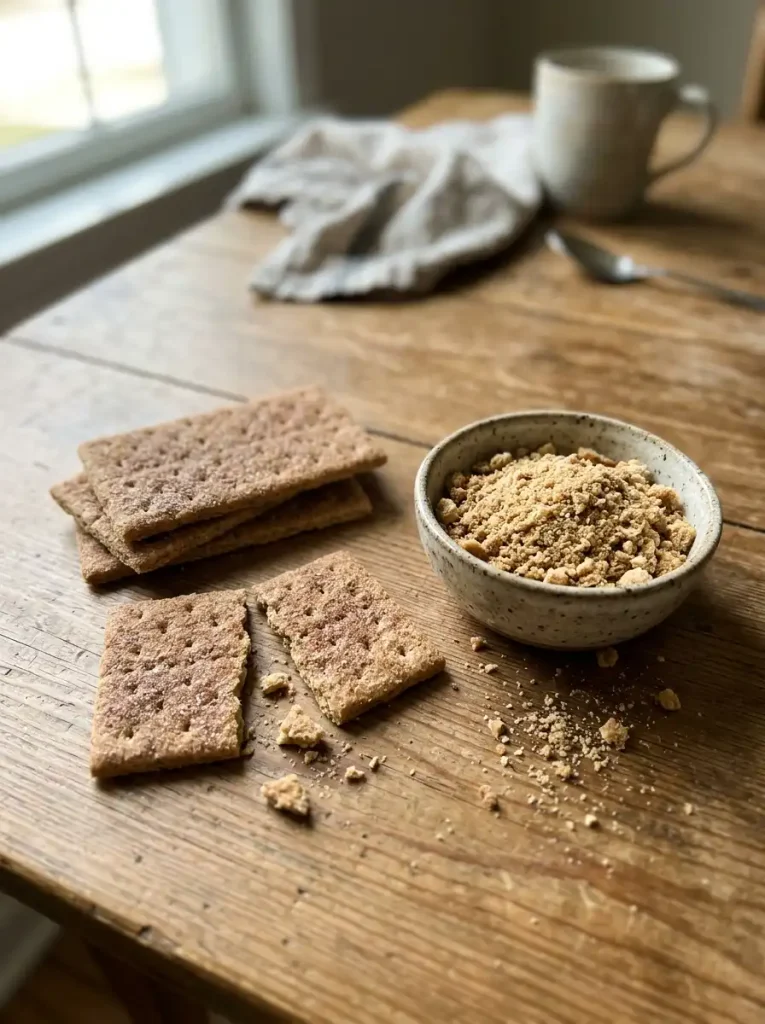
Can I use crackers from this gluten free graham crackers recipe for a crust?
Yes, if the finished crackers grind into crumbs and bind with the crust ingredients. Test that use before publishing it as a confirmed result. For a crust made with standard crackers, use our graham cracker crust recipe.
What can I use instead of gluten free graham crackers?
A clearly labeled gluten-free shortbread or another suitable packaged cracker may work, but the flavor and crumb can differ. Check the current package information, especially when baking for someone with celiac disease.
Which flour blend should I use?
Start with one 1:1 gluten-free baking blend that contains xanthan gum, and use the same brand for the first test. Different blends absorb liquid differently, so avoid switching brands halfway through testing.
How should I store homemade crackers?
Storage duration has not been established for this provisional formula. After testing, check the crackers the next day and add storage instructions based on their actual texture. Only recommend airtight storage for crackers made from this gluten free graham crackers recipe after the next-day crispness check.
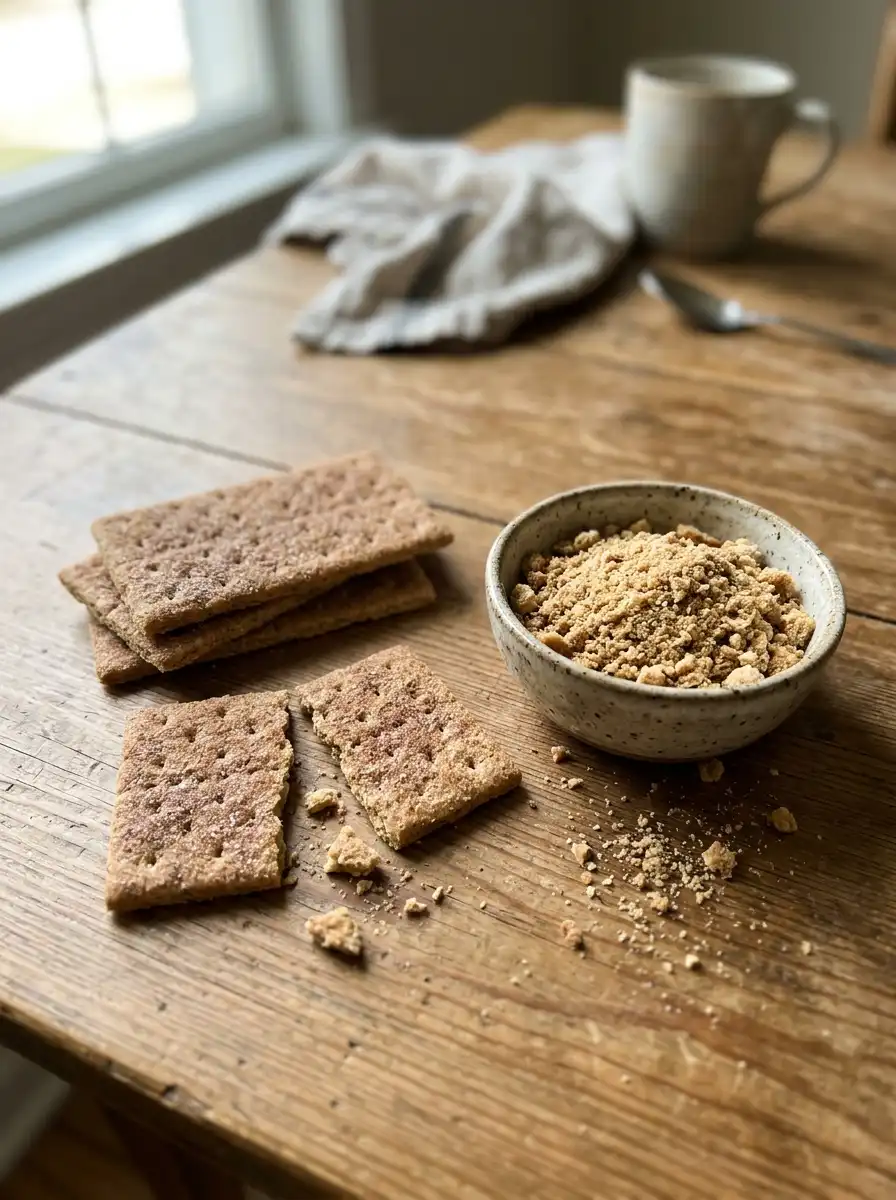
Easy Gluten-Free Graham Crackers
Ingredients
Equipment
Method
- Heat the oven to 350°F (175°C). Line two light-colored baking sheets with parchment paper.
- In a large bowl, whisk together the 1:1 gluten-free flour blend, brown sugar, cinnamon, baking powder, baking soda, and salt.
- Add the cold butter cubes. Use a pastry cutter or fingertips to work the butter into the flour mixture until it resembles coarse crumbs with a few small pieces of butter remaining.
- In a small bowl, whisk together the egg yolk, honey, molasses, vanilla, and cold milk. Add the wet mixture to the flour mixture and stir just until a dough forms. Record the dough texture; do not add extra milk to the first test without noting the result.
- Divide the dough in half and flatten each half into a disk. Wrap and chill for a provisional 30 minutes.
- Roll one disk between two sheets of parchment to a provisional 1/8-inch thickness. Peel off the top sheet and trim the edges.
- Cut the dough into roughly 2-by-3-inch rectangles. Transfer the parchment to a baking sheet. Score a center line and prick each cracker with a fork. Repeat with the remaining dough.
- Bake both sheets at 350°F (175°C) for a provisional 12–15 minutes, rotating their positions halfway through. Record the exact bake time and color. Cool completely on the sheets before judging crispness.