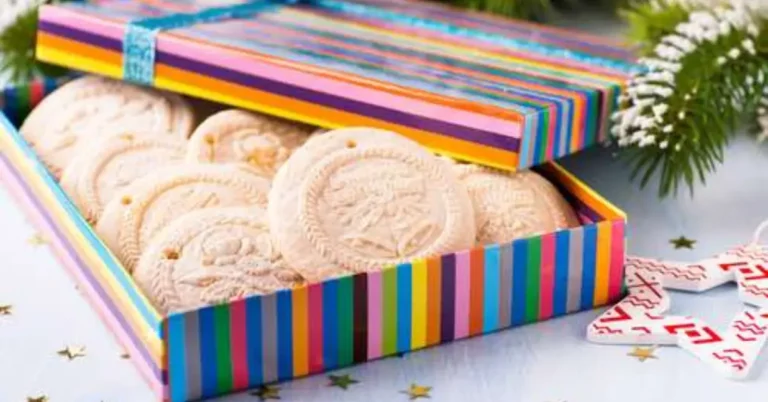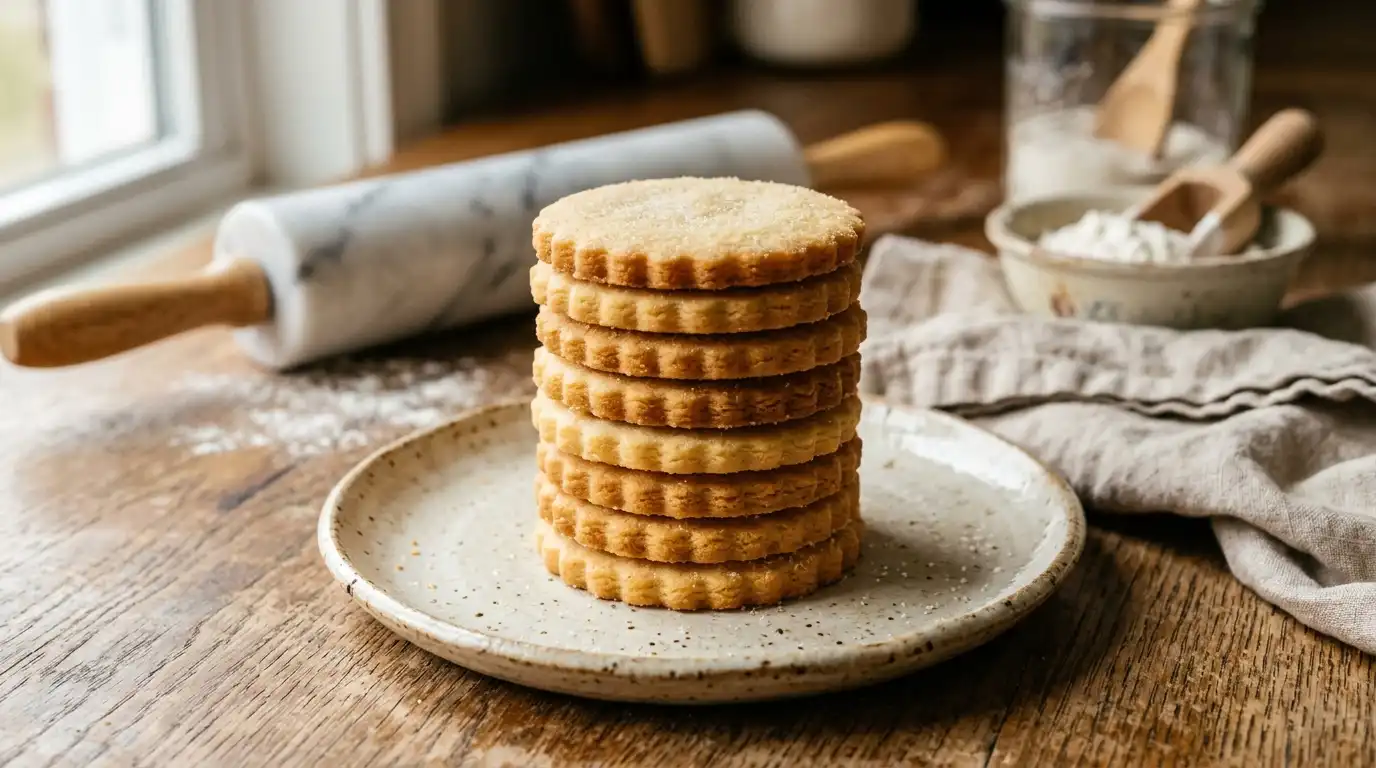
Old-Fashioned Butter Cookie Recipe (Better Than Tin Box!)
There is something deeply comforting about a classic, old-fashioned pastry that relies entirely on simple ingredients. If you have been searching for the definitive, foolproof butter cookie recipe that delivers that legendary rich flavor, an exquisite golden edge, and a delicate crumb that literally melts on your tongue, your search ends today. This specific tutorial is designed to be the only butter cookie recipe you will ever need to achieve true bakery-quality results right in your home kitchen.
Many baking articles online yield dense or completely flat discs in the oven. This comprehensive culinary guide breaks down the precise baking science, ingredient selections, and professional techniques that make this particular butter cookie recipe an absolute masterpiece for holidays or everyday treats.
Why This Specific Butter Cookie Recipe Works Every Single Time
Baking is a game of chemical reactions, and small adjustments in technique lead to completely different results. This classic butter cookie recipe stands out from the competition because it perfectly balances moisture and fat to lock in structural integrity while maximizing flavor.
The Power of High-Quality European Butter
Since fat is the absolute star of this show, the type of butter you choose determines the success of your batch. Standard grocery store butter contains up to 18% water. When that water heats up in the oven, it creates steam, which causes the dough to puff up and then deflate, losing its sharp edges.
To get the most out of this authentic butter cookie recipe, we highly recommend using European-style or grass-fed butter, which boasts an 82% to 85% butterfat content. Lower water content means less spreading, a much richer mouthfeel, and that authentic, deeply comforting heritage aroma.
The Role of Egg Yolks Over Whole Eggs
Many standard recipes call for a whole egg, but the white of an egg contains a large amount of water and protein that creates gluten structural bonds. This can make the pastries tough and bread-like. By using only egg yolks in this tailored butter cookie recipe, we add pure fat and lecithin, a natural emulsifier. This fat interferes with gluten formation, ensuring an incredibly short, tender crumb that gives the treat its signature texture.
Ingredients and Precise Metric Measurements
In professional pastry kitchens, volume measurements like cups are completely abandoned. A cup of flour can vary by up to 30 grams depending on how tightly packed it is, which can completely ruin your dough consistency. For guaranteed success with this exact butter cookie recipe, use a digital kitchen scale to measure these components.
- European Butter (Unsalted): 225 grams (1 cup), completely softened to a cool room temperature of exactly 18°C to 20°C.
- Granulated White Sugar: 150 grams (3/4 cup), fine-grained to ensure it dissolves smoothly during the creaming stage.
- Egg Yolks: 2 large yolks, brought completely to room temperature so they do not curdle the creamed fats.
- Pure Vanilla Extract: 10 milliliters (2 teaspoons), avoid artificial vanillin at all costs as the alcohol base bakes off, leaving a chemical aftertaste.
- Fine Sea Salt: 3 grams (1/2 teaspoon), to balance the sweetness and accentuate the dairy notes.
- All-Purpose Flour: 300 grams (2.5 cups), with a protein content between 10% and 11% for the perfect balance of tenderness and structure.
- Coarse Sanding Sugar or Demerara Sugar: 50 grams (optional), for rolling the dough log to create a premium, glittering, crunchy exterior border.
Master Step-by-Step Instructions for the Perfect Dough
Please read through these chronological instructions completely before beginning your preparation. Following the exact steps of this butter cookie recipe guarantees a flawless bake later on.
Step 1: Precision Creaming for Structural Integrity
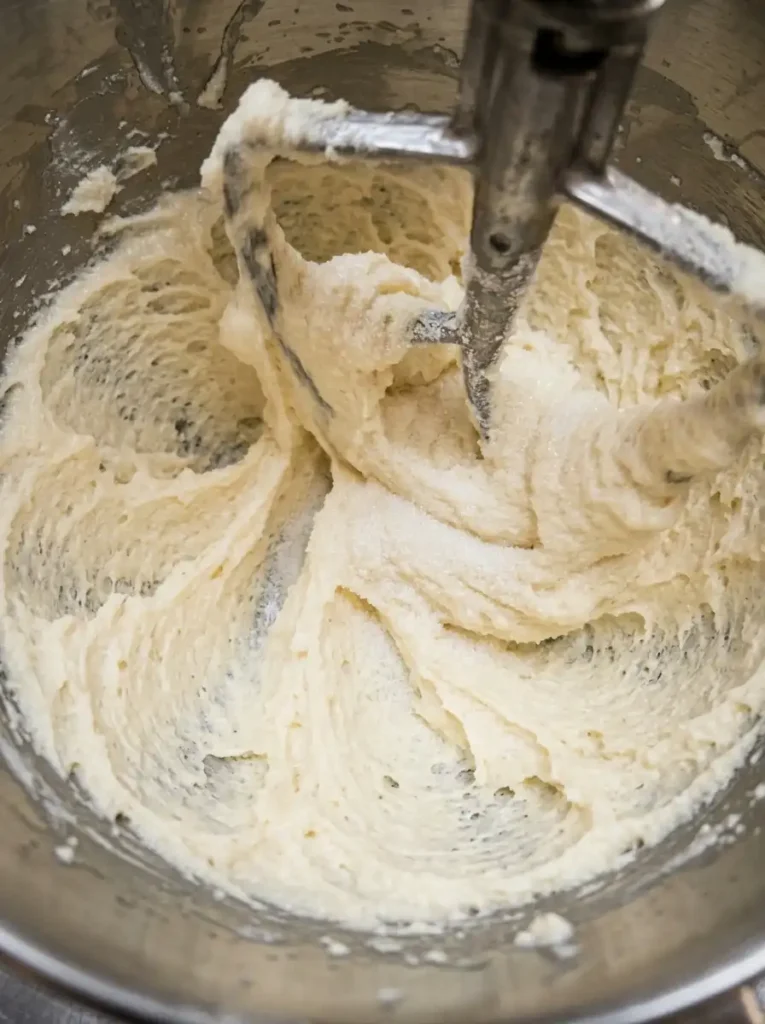
Place your 225 grams of cooled, softened butter and 150 grams of granulated sugar into the bowl of a stand mixer fitted with the paddle attachment. Turn the mixer to medium speed and beat for exactly 3 to 4 minutes.
You are looking for a transformation where the mixture becomes noticeably pale cream in color and takes on a fluffy texture. This process forces sugar crystals through the fat, creating millions of microscopic air pockets. These pockets expand in the oven, lifting the pastry naturally without the need for chemical leaveners like baking powder, which would cause the dough to puff and lose its shape.
Step 2: Emulsifying the Liquids
Scrape down the sides and the bottom of your mixing bowl with a rubber spatula to ensure no dense pockets of butter remain. Turn the mixer to low speed and add the two room-temperature egg yolks one at a time, allowing each to fully disappear into the batter before adding the next. Pour in the 10 milliliters of pure vanilla extract and the sea salt. Mix for an additional 30 seconds until the emulsion is completely smooth, shiny, and uniform.
Step 3: Gentle Flour Incorporation
Sift your 300 grams of all-purpose flour directly over the wet ingredients. Turn your stand mixer to its lowest possible speed setting. Mix for only 30 to 45 seconds, stopping the exact moment you can no longer see raw streaks of white flour. Overworking the dough at this stage develops the gluten matrix, turning a delicate dough into a tough, gummy disc. The mixture should feel soft, cohesive, and slightly tacky but fully hold its shape.
Step 4: Shaping and the Critical Chilling Phase
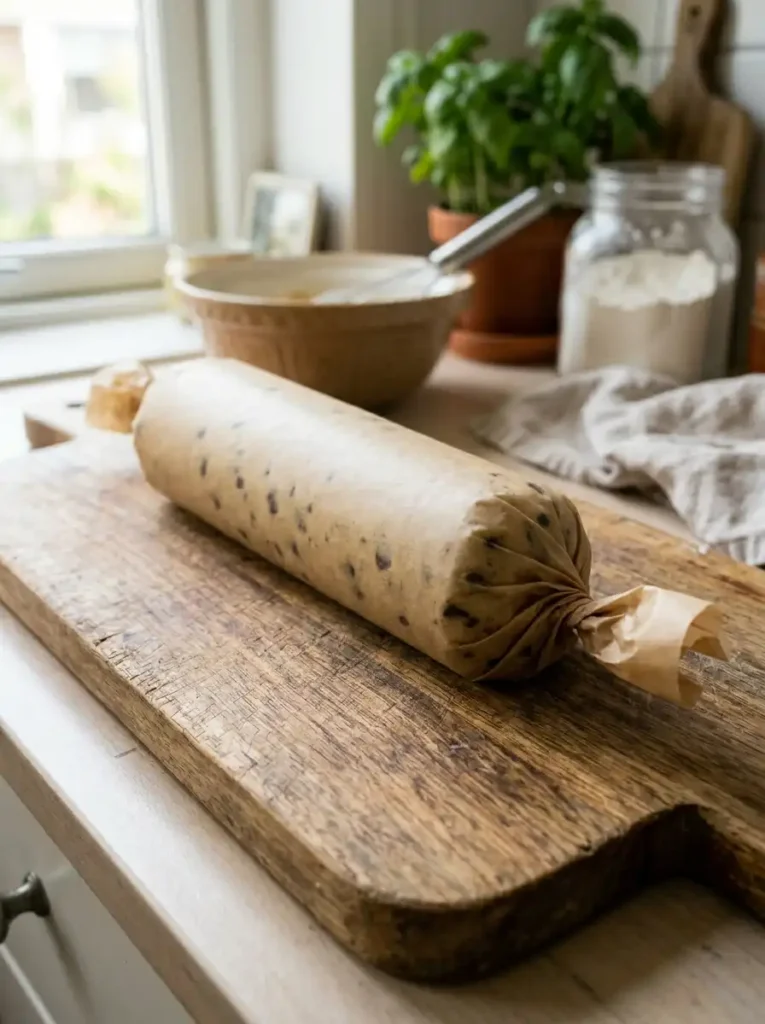
Divide the dough into two equal portions. Place each portion onto a sheet of high-quality parchment paper and shape it into a smooth, tight log roughly 2 inches in diameter. Wrap the logs tightly in the parchment paper, twisting the ends like a candy wrapper to seal out air, and place them in the refrigerator for a minimum of two hours, though overnight is highly preferred.
This chilling step allows the starches in the flour to fully hydrate and, most importantly, solidifies the butter fats. If you attempt to bake the dough while the fats are warm, the shapes will melt into a singular flat sheet on your baking pan.
Slicing, Garnishing, and Advanced Baking Protocols
Once your dough is thoroughly chilled and completely firm to the touch, you are ready to execute the baking phase of this traditional butter cookie recipe for optimum thermal transfer.
Step 1: Preheating and Pan Preparation
Position your oven rack to the dead center level and preheat the oven to 175°C (350°F). Line two heavy-gauge aluminum baking sheets with silicone baking mats or fresh parchment paper. Avoid using thin, dark-colored baking sheets, as they absorb radiant heat too quickly and will scorch the bottoms of your delicate treats before the centers can fully cook through.
Step 2: The Sugar Coating and Slicing Technique
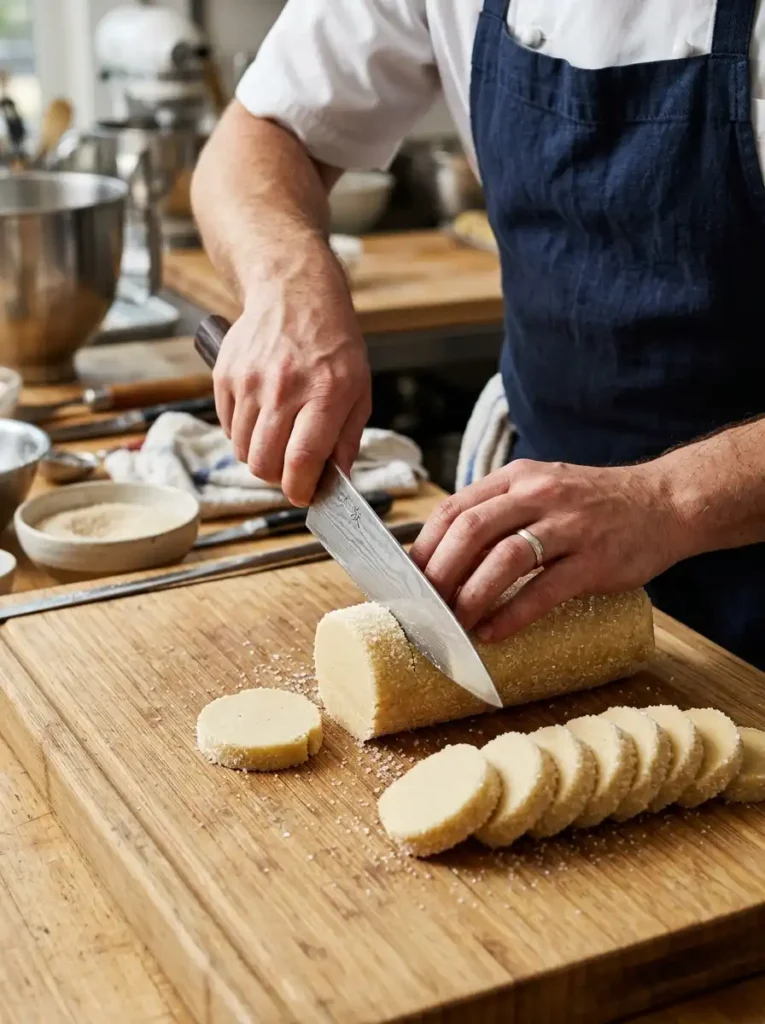
If you want that elegant bakery aesthetic, pour your coarse sanding sugar onto a clean cutting board. Unwrap your chilled dough logs and roll them firmly across the sugar, applying gentle downward pressure so the crystals adhere to the entire outer circumference.
Using a very sharp chef’s knife or a dedicated bench scraper, slice the log into uniform discs exactly 1/4-inch thick. Wipe your knife blade with a clean towel after every three slices to ensure clean, sharp edges on every single piece.
Step 3: Spacing and Baking Timelines
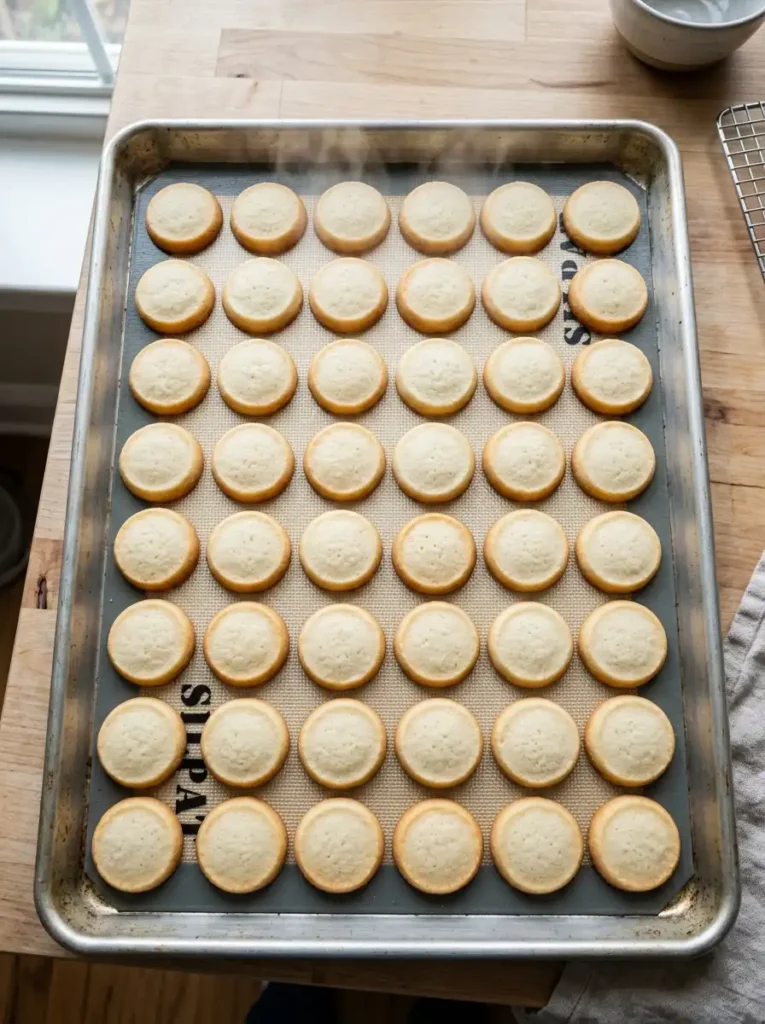
Arrange the sliced discs on your prepared baking sheets, leaving a clean 1.5-inch boundary space between each item to allow for proper hot air circulation. Bake one sheet at a time for 11 to 13 minutes.
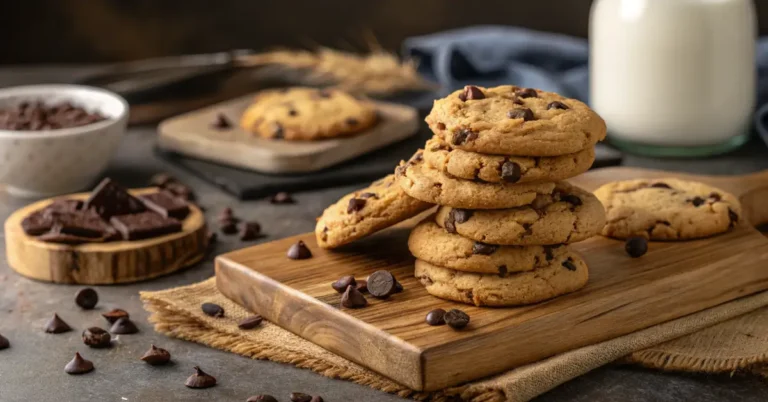
Keep a very close eye on the oven during the final two minutes. You are looking for the centers to remain pale ivory while the outer edges turn a beautiful, delicate golden brown color.
Pro-Level Bakery Secrets for Flawless Execution
- The Dehydration Trick for Ultimate Crunch: If you prefer a deeply crisp, traditional tin-cookie texture, turn off your oven completely the moment the baking time finishes. Crack the oven door open about two inches and leave the baking sheet inside for an extra 5 minutes. This gentle, residual heat coaxes out any lingering moisture without over-baking the delicate fats.
- The Cookie Ring Correction: If your bakes come out of the oven slightly asymmetrical, immediately place a large round cookie cutter or a wide-mouthed glass over the hot cookie and gently swirl it in a circular motion for three seconds. This smooths out any minor imperfections, forcing the soft edges back into a mathematically perfect circle.
- The Emergency Fast-Soften Method: If you forgot to leave your butter out to soften, avoid the microwave, which melts the core and separates the fats. Instead, grate the cold stick of butter using a standard cheese grater. The massive surface area brings the shreds to a perfect room temperature in less than 7 minutes.
How to Customize This Focus Butter Cookie Recipe
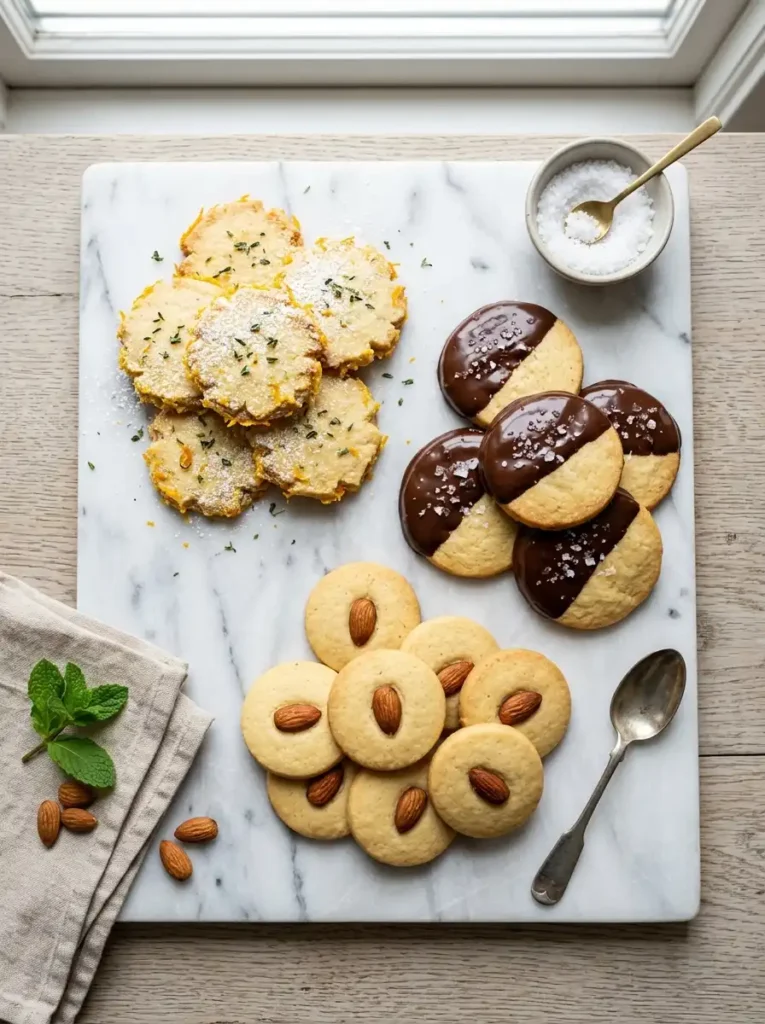
This base formulation is incredibly stable and serves as an excellent blank canvas for creative flavor profiles.
| Variation Style | Flavor Enhancements | Decorative Finishing |
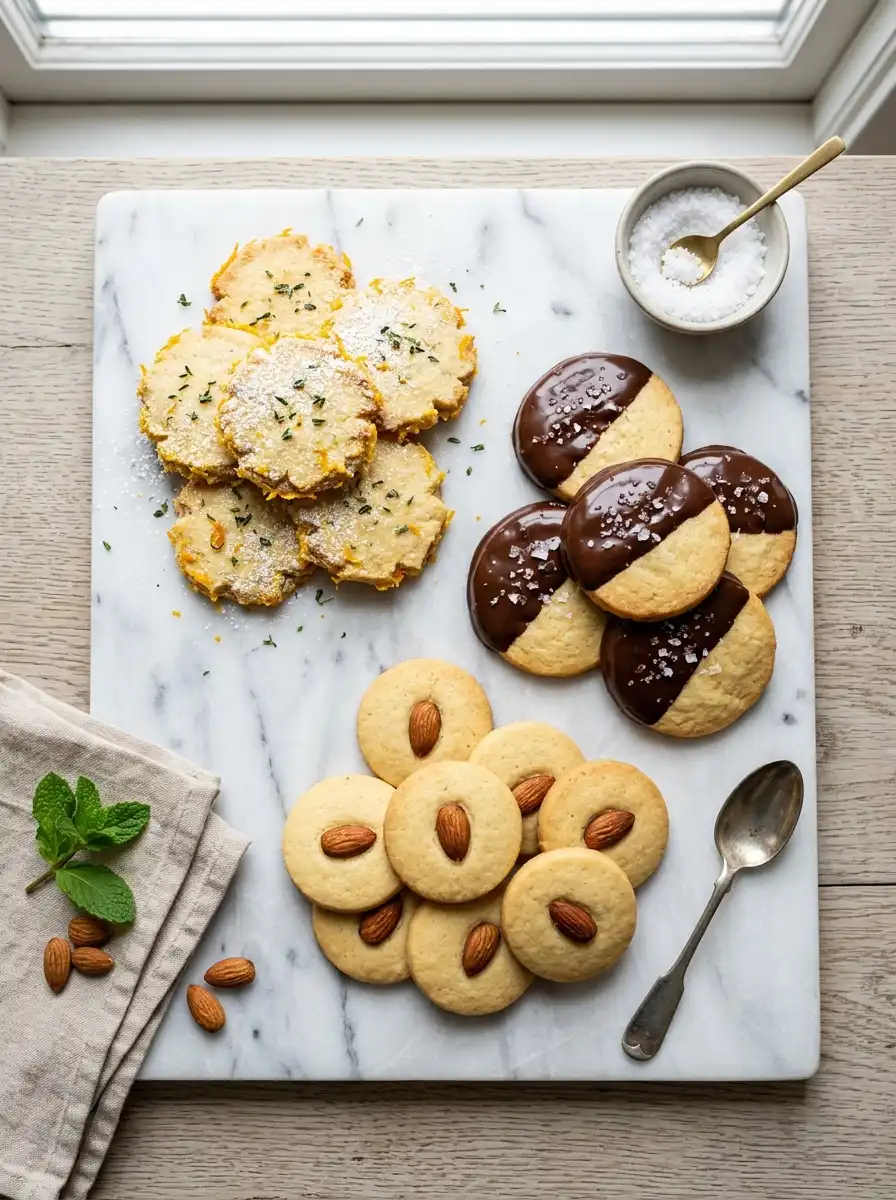
| Citrus Blossom | Add 1 tablespoon of freshly grated orange or lemon zest during the creaming stage. | Roll the log edges in granulated sugar mixed with dried lavender buds. |
| Spiced Almond | Swap 1 teaspoon of vanilla extract for 1 teaspoon of pure almond extract. | Press a single whole blanched almond into the center of each disc before baking. |
| Mocha Dip | Add 15 grams of Dutch-processed cocoa powder to the flour mixture. | Dip half of the fully cooled baked treat into melted dark chocolate and sea salt. |
Troubleshooting Common Baking Failures
If your batch did not turn out exactly like the photos, look through these common diagnostic symptoms to fix your technique for the next attempt.
Why Did My Cookies Spread into Flat Puddles?
This occurs due to two distinct variables. Either your kitchen was too warm and the dough was not chilled long enough before entering the oven, or you used a low-cost butter brand with an excessively high water content. To protect this butter cookie recipe, always ensure the dough feels cold and rock-hard right up until the moment it is sliced and placed in the preheated oven.
Why Are My Cookies Dry, Gummy, or Crumbly?
This is a classic sign of over-measuring flour or over-working the dough. If you scooped the flour directly out of the bag using a measuring cup instead of a scale, you likely added up to 40% more flour than required. Additionally, ensure you stop mixing the very second the flour disappears to keep gluten development at absolute zero.
Advanced Storage, Freezing, and Make-Ahead Timelines
One of the greatest features of this traditional butter cookie recipe is its exceptional shelf life and stability, making it the ultimate make-ahead asset for busy holiday schedules or unexpected guests.
Managing the Raw Dough
The wrapped, unbaked dough logs can sit safely in your refrigerator for up to 7 full days. For long-term preservation, wrap the parchment-covered logs in a secondary layer of heavy-duty aluminum foil or place them inside an airtight freezer bag. They can be frozen solid for up to 3 entire months. When you are ready to use this butter cookie recipe, transfer the frozen logs to the refrigerator to thaw slowly for 4 hours before slicing.
Storing the Baked Masterpieces
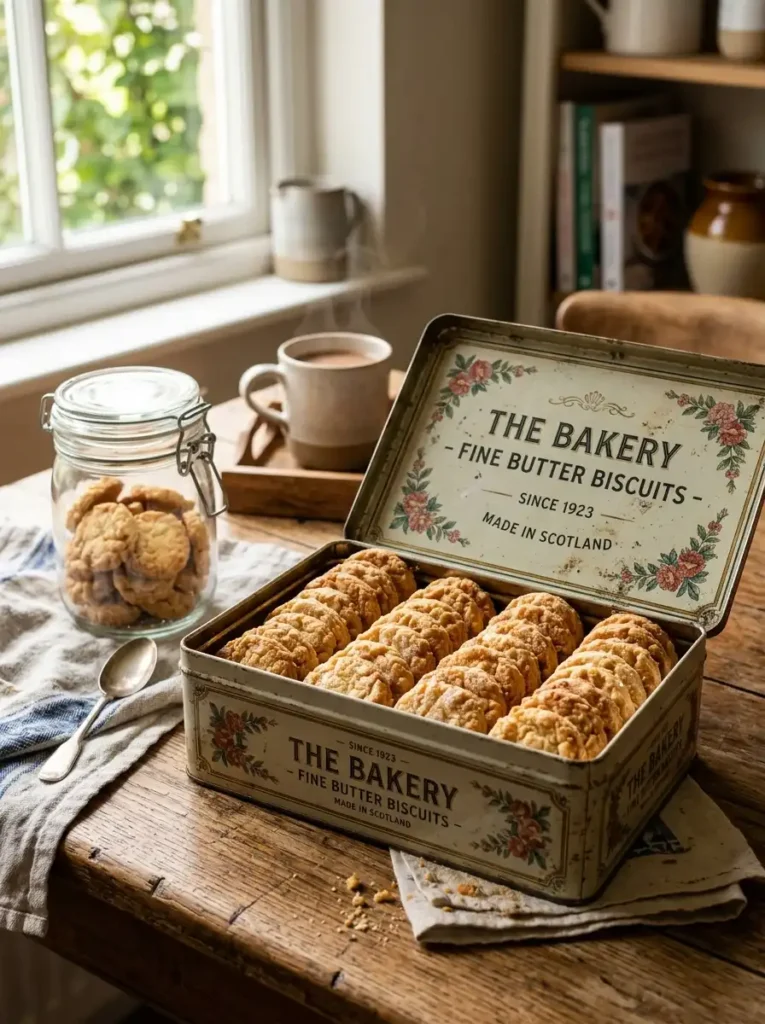
Once your treats are completely cool, transfer them immediately into an airtight glass jar or a traditional metal biscuit tin. Store them at cool room temperature away from direct sunlight. Because of their naturally low moisture content, they will remain wonderfully crisp, fragrant, and delicious for up to 3 weeks. Avoid storing them in plastic containers, as plastic traps ambient humidity, which softens the crisp edges and causes them to lose their premium texture.
Frequently Asked Questions About Baking Butter Cookies
Can I use salted butter instead of unsalted butter?
We highly advise sticking to unsalted butter for this butter cookie recipe. Every commercial brand blends a completely different concentration of salt into their sticks, making it impossible to establish a universal baseline. By using unsalted butter and adding your own measured sea salt, you retain absolute, precise control over the final flavor profile.
Can I transform this dough into holiday cut-out shapes?
Yes, this specific butter cookie recipe holds its shape beautifully. Instead of rolling the fresh dough into a log, pat it flat into a smooth, even disc about 1 inch thick, wrap it in plastic, and chill for 1 hour. Roll the chilled disc out on a lightly floured surface until it is exactly 1/4-inch thick, cut out your desired shapes, and chill the cut-outs on the baking sheet for 10 minutes before baking.
Why do my baked cookies have a greasy bottom?
Greasy bottoms are typically caused by baking on a greased sheet or using low-quality, dark baking pans that heat unevenly. Always bake on dry parchment paper or a clean silicone baking mat. Never grease your pans with cooking spray, as this dough already contains all the rich fats it needs to release cleanly.
The Verdict: Your Path to Baking Perfection
Mastering a classic pastry is a rite of passage for any passionate home baker. By prioritizing high-fat European dairy, using precise weight measurements, and giving the dough ample time to rest and chill in the refrigerator, you will consistently produce an exquisite treat that completely outclasses mass-produced alternatives.
Gather your ingredients, pull out your digital kitchen scale, and experience just how incredible a true, old-fashioned butter cookie recipe can taste when made with patience and precision. This definitive butter cookie recipe ensures that every single batch you bake turns out flawless, crisp, and completely irresistible. If you want a dependable dessert to share with family, print out this butter cookie recipe and keep it safely in your kitchen drawer for decades to come.
Keep the bakery vibes going. Browse our viral baking trends 2026 collection for the most popular homemade recipes trending on social media right now. LINK ANCHOR: viral baking trends 2026 LINK URL: https://www.totaltastes.com/viral-baking-trends-2026/
The Ultimate Bakery-Style Butter Cookie Recipe
Ingredients
Equipment
Method
- Cream the softened European butter and granulated white sugar in a stand mixer on medium speed for 3 to 4 minutes until pale ivory and fluffy.
- Add the egg yolks one at a time on low speed, then pour in the pure vanilla extract and sea salt. Mix until a smooth emulsion forms.
- Sift in the all-purpose flour and mix on the lowest speed for 30 to 45 seconds, stopping the exact moment the flour disappears to avoid overworking.
- Divide the dough, form into two 2-inch wide logs, wrap tightly in parchment paper, and chill in the refrigerator for at least 2 hours.
- Preheat your oven to 175°C (350°F). Roll the chilled logs in coarse sanding sugar, then slice into uniform 1/4-inch discs.
- Arrange on lined baking sheets with a 1.5-inch space and bake for 11 to 13 minutes until the rims are pale golden brown.
Notes
Pro-Level Bakery Secret: For that authentic, ultra-crisp tin-cookie crunch, turn off the oven as soon as the baking time is up. Crack the oven door open about two inches and leave the baking sheet inside for an extra 5 minutes to gently dehydrate the cookies without burning the delicate fats.