The Best Boston Cream Donut Recipe: Fluffy & Homemade
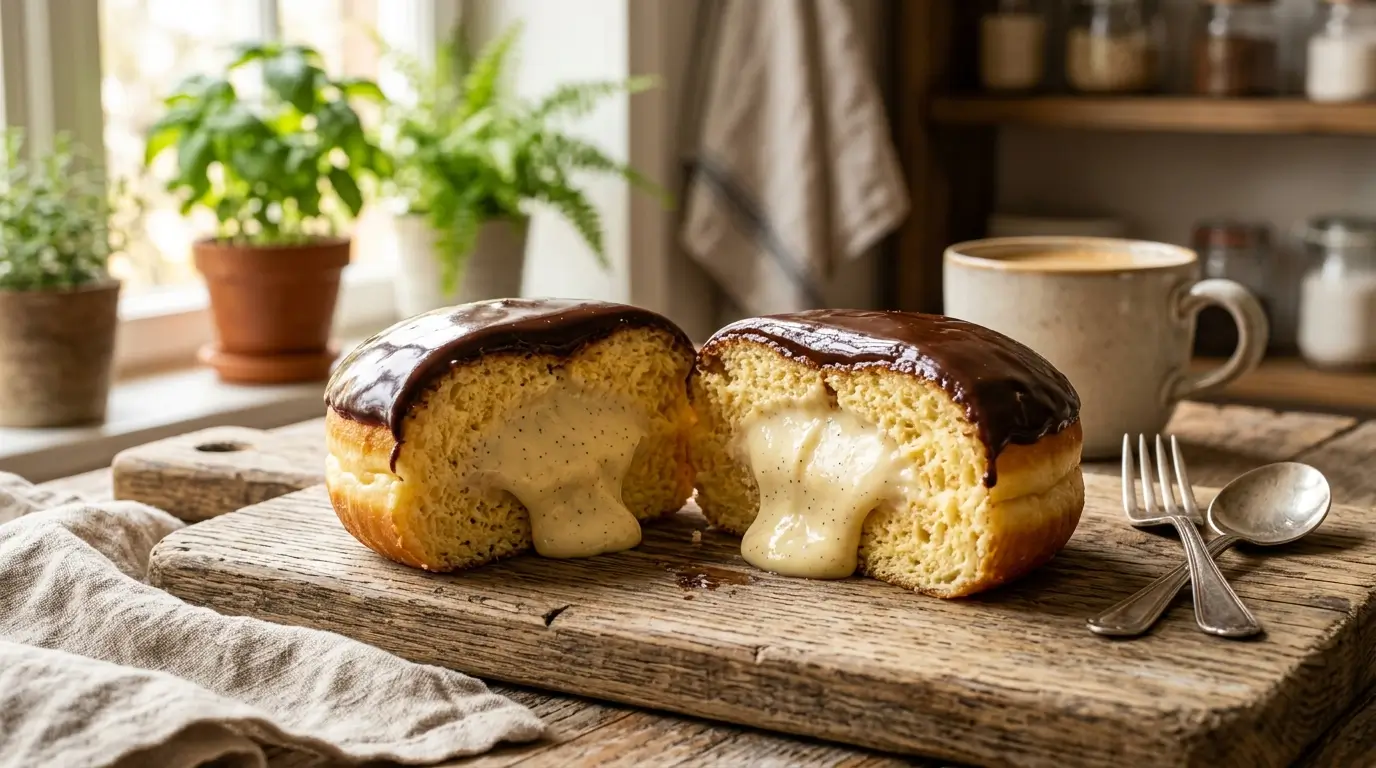
If you are looking for the perfect boston cream donut, you’ve just found the gold standard. There is a specific magic in the combination of a golden, yeasted dough, a cool vanilla bean pastry cream, and a rich chocolate ganache that snaps when you bite into it. Most people settle for store-bought versions that use oily “creme” filling and waxy frosting. Today, we are changing that. This is a professional-grade recipe designed for the home baker who wants bakery-quality results without the bakery price tag.
Why This Boston Cream Donut Recipe Works
The secret to a world-class boston cream donut lies in the hydration of the dough and the stability of the pastry cream. Many recipes produce a “bread-y” doughnut that feels heavy. Our formula uses a brioche-style enrichment, incorporating room-temperature butter late in the kneading process. This creates a silkier crumb that stays soft for 48 hours. Furthermore, we use a high-fat pastry cream—fortified with heavy cream—to ensure the filling doesn’t soak into the dough and make it soggy.
The Essential Ingredients for a Perfect Boston Cream Donut
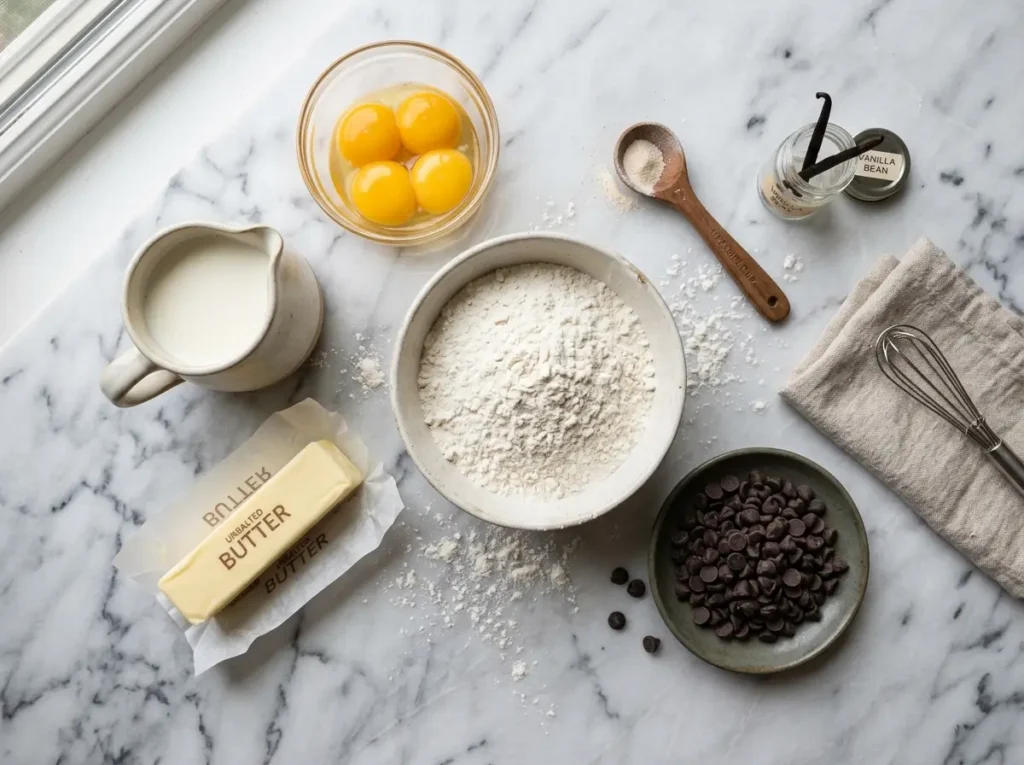
To achieve that iconic flavor, you cannot cut corners on ingredients. For the dough, you will need high-protein bread flour, which provides the structure necessary to hold the heavy filling. You will also need active dry yeast, whole milk, granulated sugar, and large egg yolks. The yolks are crucial; they provide the rich, yellow hue and the tender “melt-in-your-mouth” texture.
For the signature Boston cream filling, we move away from “instant pudding” shortcuts. We use real vanilla beans or high-quality vanilla bean paste, egg yolks, cornstarch, and whole milk. The chocolate glaze is a simple but luxurious ganache made from 60% cacao dark chocolate and heavy whipping cream. Using high-quality chocolate ensures the glaze stays shiny and doesn’t turn matte or grainy as it cools.
Step-by-Step Guide to Mastering the Yeast Dough
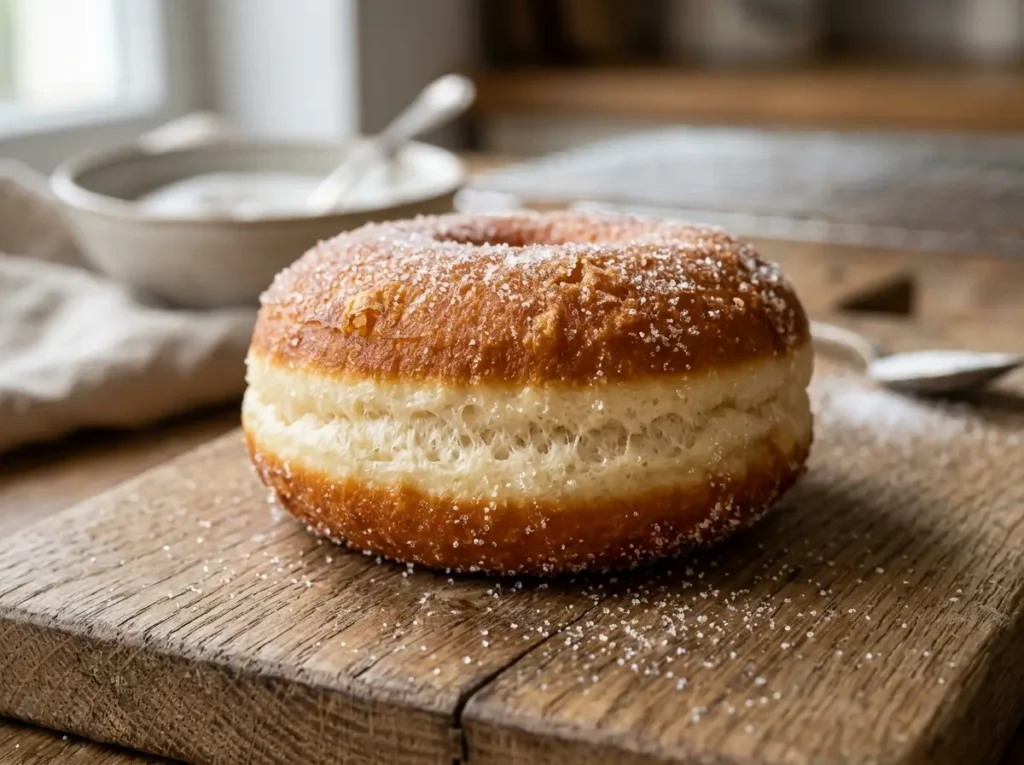
Mastering a boston cream donut starts with the “bloom.” Mix your warm milk (ideally at 105°F) with sugar and yeast. Let it sit until it’s foamy. If it doesn’t foam, your yeast is dead—stop there and get fresh yeast. Once active, combine with your flour and eggs in a stand mixer.
Knead the dough on medium-low speed until it starts to pull away from the sides. Now, add your softened butter one tablespoon at a time. This “delayed fat incorporation” allows the gluten to develop fully before the fat coats the proteins. The result is a doughnut that rises taller and fries lighter. Let this dough rise in a warm, draft-free spot until it has doubled in size, usually about 60 to 90 minutes.
Crafting the Silky Pastry Cream Filling
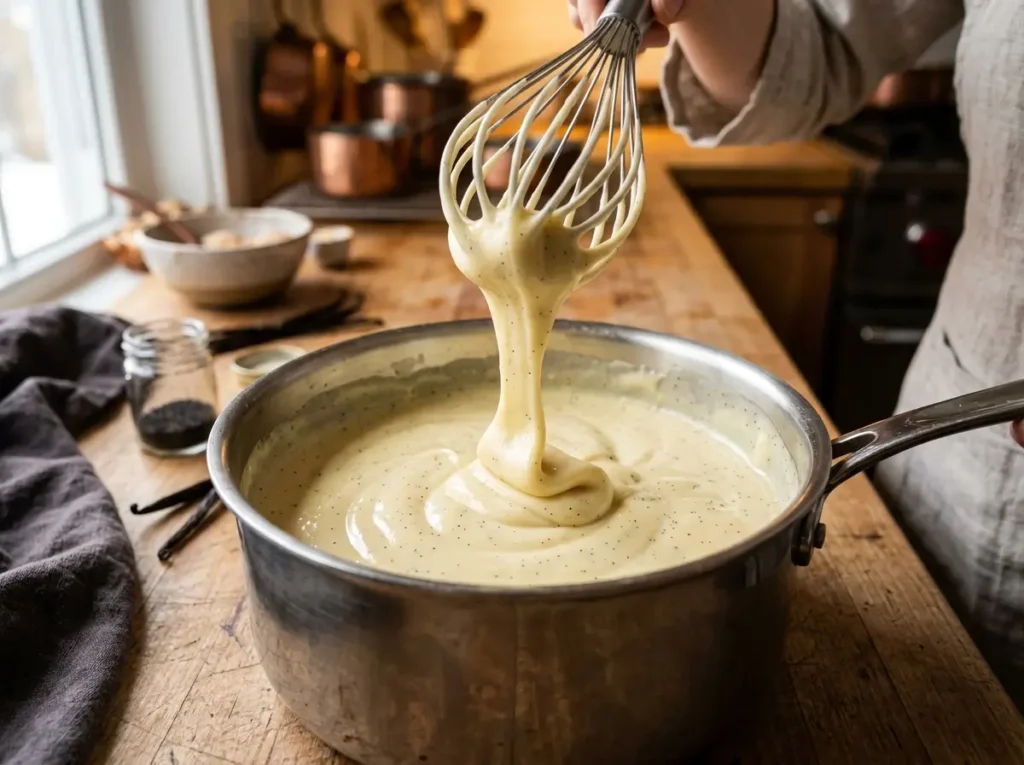
While your dough rises, focus on the heart of the boston cream donut: the vanilla custard. Whisk your sugar and egg yolks until they turn a pale, creamy yellow. Gradually stream in your hot milk while whisking constantly—this is called tempering. If you pour the hot milk too fast, you’ll end up with scrambled eggs.
Return the mixture to the heat and cook until thick and bubbling. The most important tip for a professional finish is to pass the hot custard through a fine-mesh sieve. This removes any tiny bits of cooked egg, ensuring a perfectly smooth texture. Press a piece of plastic wrap directly onto the surface of the cream to prevent a “skin” from forming, and chill it for at least 4 hours.
Cutting and the Crucial Second Rise
Once your dough has risen, punch it down and roll it out on a floured surface to a thickness of about 3/4 inch. Use a circular cutter to stamp out your doughnuts. Do not be tempted to roll the scraps more than once; the more you handle the dough, the tougher the final doughnut will be.
The second rise is where most home bakers fail. Place your cut circles on individual squares of parchment paper. Let them rise again for 30–45 minutes. They should look puffy and feel like marshmallows. If you poke one gently, the indentation should spring back slowly. If it springs back instantly, it needs more time. If it collapses, it’s over-proofed.
Temperature Control: The Art of Deep Frying
To get that perfect white ring around the center of your boston cream donut, you must maintain a consistent oil temperature of 350°F (177°C). Use a neutral oil with a high smoke point, like canola or vegetable oil.”boston cream donut”
Fry the doughnuts for about 2 minutes per side. Use a slotted spoon or a “spider” to flip them gently. The individual parchment paper squares make it easy to drop the doughnuts into the oil without deforming their shape—the paper will peel right off in the heat. Drain them on a wire rack set over paper towels to ensure they stay crisp rather than greasy.
Assembly: Filling and Glazing Your Masterpiece
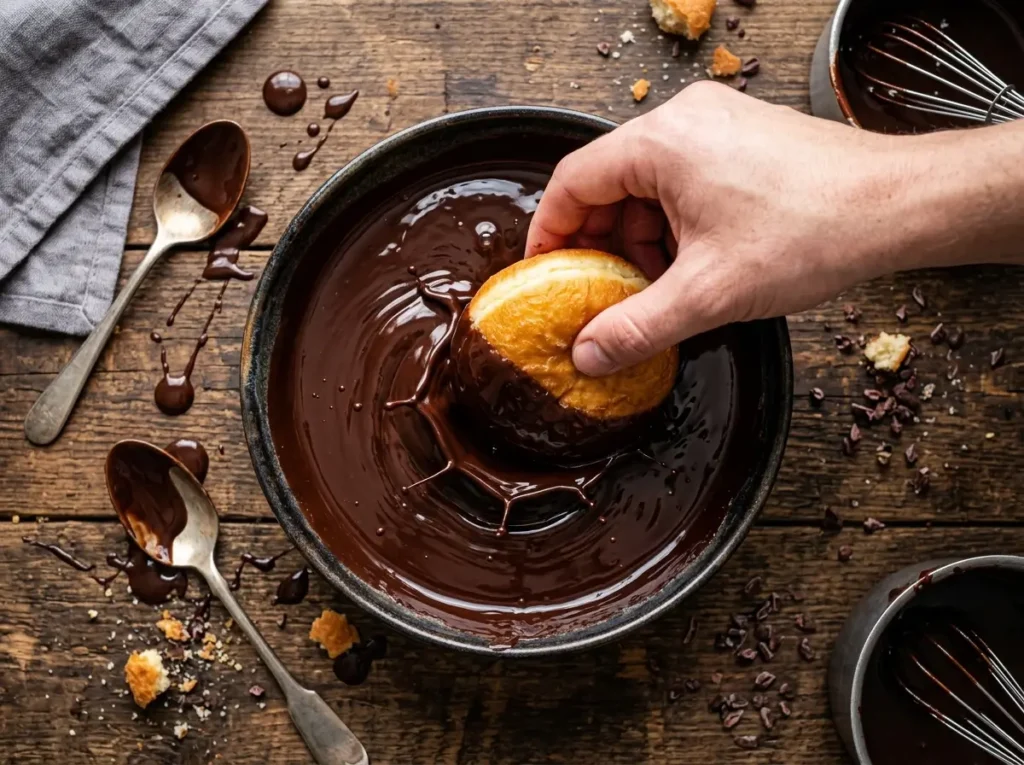
Once the doughnuts are completely cool, it’s time for the assembly. Use a small knife or a chopstick to poke a hole in the side of each doughnut, wiggling it around to create a cavity inside. Fit a piping bag with a medium round tip and fill it with your chilled pastry cream.
Pipe the cream into the doughnut until you feel the weight increase and the sides bulge slightly. Finally, dip the top of each boston cream donut into your warm chocolate ganache. Let the excess drip off before turning it upright. The glaze will set into a beautiful, glossy finish as it sits.”boston cream donut”
Professional Tips for Content Creators and Home Bakers
If you are making these for a blog or a special event, remember that temperature is your friend. Chilling the filled doughnuts for 20 minutes before glazing helps the chocolate set faster and prevents the cream from leaking.
- Use a digital scale for your ingredients; baking is a science, and grams are more accurate than cups.
- Always use “Room Temperature” ingredients unless specified otherwise; this ensures the dough emulsifies correctly.
- For a deeper flavor, add a pinch of salt to your chocolate glaze to balance the sweetness of the custard.
- If your kitchen is cold, turn on your oven for 1 minute, turn it off, and use it as a “proof box” for your dough.”boston cream donut”
Frequently Asked Questions About Boston Cream Doughnuts
Can I bake these instead of frying? While you can bake them at 375°F for 12 minutes, they will be more like brioche buns than traditional doughnuts. The frying process creates the specific Maillard reaction responsible for that classic “donut shop” flavor.
How long do these stay fresh? Because of the fresh dairy in the custard, these should be kept in the refrigerator if not eaten within 4 hours. They are best enjoyed the day they are made, but they will stay delicious for up to 2 days in an airtight container.
Why is my chocolate glaze dull? A dull glaze usually happens if the chocolate was overheated or if the cream didn’t have enough fat content. Stick to heavy cream (35% fat) for the best results.
The Final Verdict on the Homemade Boston Cream Donut
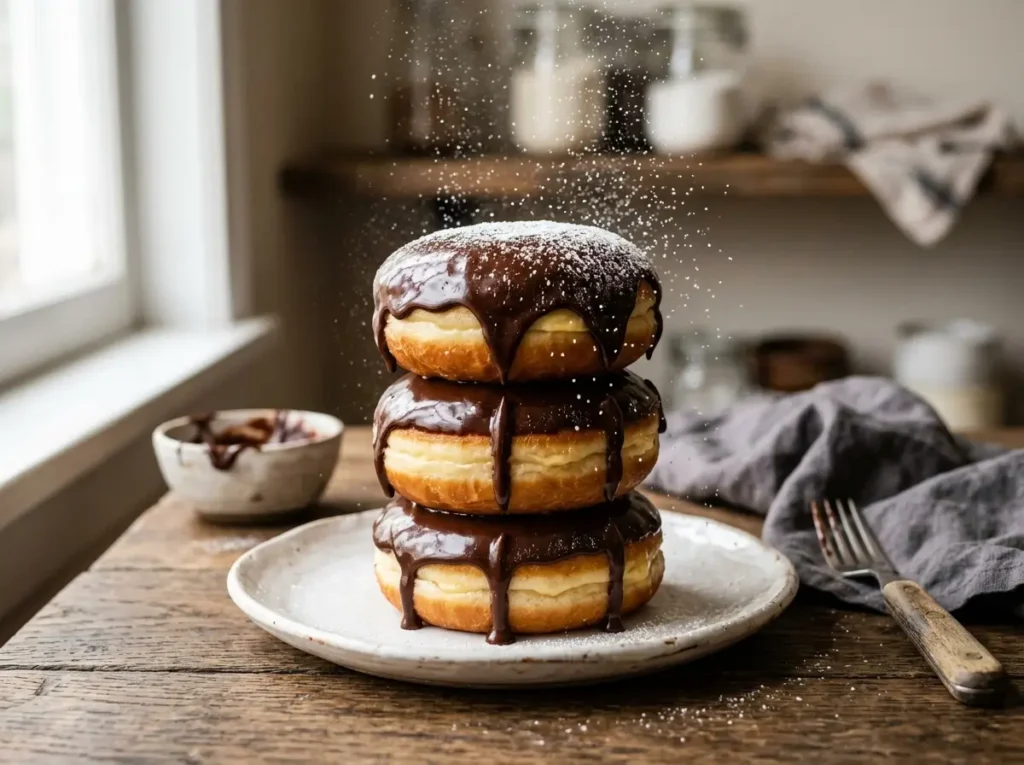
Making a boston cream donut at home is a significant undertaking, but the difference in quality is night and day compared to mass-produced versions. By focusing on a long fermentation for the dough and a high-quality vanilla bean custard, you create a dessert that is truly unforgettable. Whether you are serving these at a brunch or just satisfying a childhood craving, this recipe delivers a perfect balance of textures and flavors every single time.
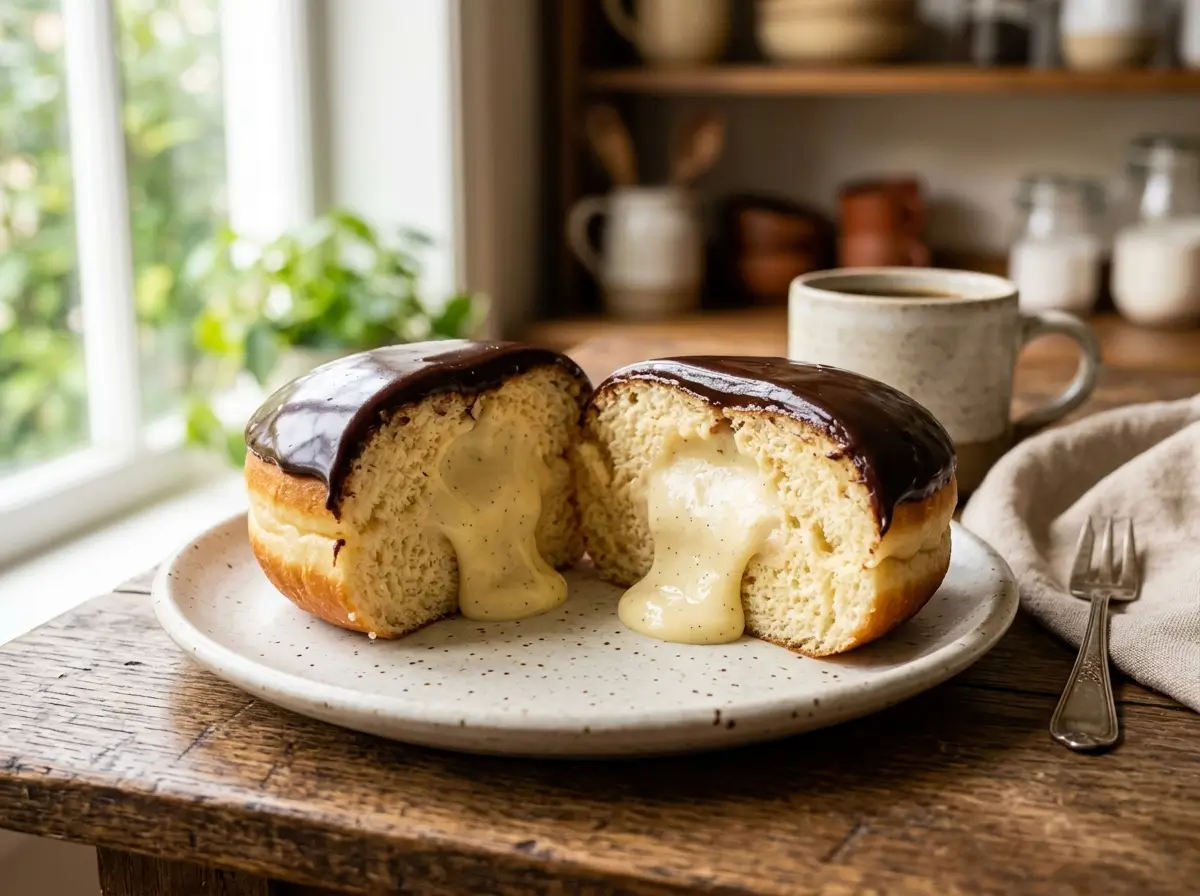
Ultimate Homemade Boston Cream Doughnuts
Ingredients
Equipment
Method
- Bloom the Yeast: Mix warm milk, sugar, and yeast in a stand mixer bowl. Let it sit for 5-10 minutes until foamy.
- Mix the Dough: Add flour, egg yolks, and salt. Use the dough hook on low speed until combined.
- Incorporate Butter: Increase speed to medium. Add softened butter one tablespoon at a time, allowing each to incorporate before adding the next. Knead for 5-7 minutes.
- First Rise: Place dough in a greased bowl, cover with plastic wrap, and let rise in a warm spot for 60-90 minutes (until doubled).
- Make Pastry Cream: While dough rises, whisk egg yolks, sugar, and cornstarch. Heat milk and vanilla until simmering. Temper the eggs with hot milk, return to heat, and whisk until thick.
- Chill Filling: Strain the custard through a sieve, stir in butter, and cover with plastic wrap (touching the surface). Chill for 4 hours.
- Shape: Roll dough to 3/4 inch thickness. Cut circles and place on parchment squares.
- Second Rise: Cover and let rise for 30-45 minutes until puffy.
- Fry: Heat oil to 350°F. Fry donuts for 2 minutes per side until golden. Drain on paper towels.
- Fill: Once cool, poke a hole in the side, and pipe in the chilled pastry cream.
- Glaze: Heat cream and chocolate until smooth. Dip the tops of the filled donuts into the glaze.
Notes
- Pro Tip: Passing the pastry cream through a fine-mesh strainer is the secret to a professional, “lump-free” texture.
- Storage: Keep refrigerated due to the fresh dairy filling. Best consumed within 24-48 hours.
- Success Metric: Ensure your oil stays at 350°F; too low will make them greasy, too high will leave the center raw.