15 Baking Tips for Beginners to Prevent Common Baking Mistakes
The best baking tips for beginners are to measure ingredients accurately, preheat the oven fully, use the ingredient temperature listed in the recipe, avoid overmixing, choose the right pan size, and let baked goods cool before slicing or frosting. These simple habits help prevent dry cakes, flat cookies, dense muffins, sunken centers, and underbaked desserts.
Baking does not have to feel complicated. Most failed bakes come from small mistakes: too much flour, butter that is too warm, an oven that runs too hot, batter mixed too long, or a cake cut before it has cooled. Use these baking tips as a quick checklist before baking cookies, cakes, muffins, brownies, cheesecakes, or simple homemade desserts.
Quick Baking Tips Checklist
| Tip | Why It Helps |
|---|---|
| Read the recipe first | Prevents missed chilling, cooling, or pan steps |
| Measure flour correctly | Stops cakes and cookies from turning dry |
| Preheat the oven | Helps baked goods rise and set properly |
| Use an oven thermometer | Checks if your oven is too hot or too cool |
| Follow ingredient temperatures | Butter, eggs, and cream cheese behave differently when cold or warm |
| Do not overmix | Prevents tough cakes and dense muffins |
| Use the right pan size | Controls bake time, height, and texture |
| Check a few minutes early | Prevents overbaking |
| Cool before frosting | Stops frosting from melting |
1. Read the Whole Recipe Before Starting
One of the easiest baking tips is to read the recipe from start to finish before you mix anything. Some recipes need softened butter, chilled dough, room-temperature eggs, cooled cake layers, or a specific pan size. Reading first helps you avoid surprises halfway through baking.
Check the bake time, chill time, cooling time, oven temperature, pan size, and doneness signs before you start.
2. Measure Flour the Right Way
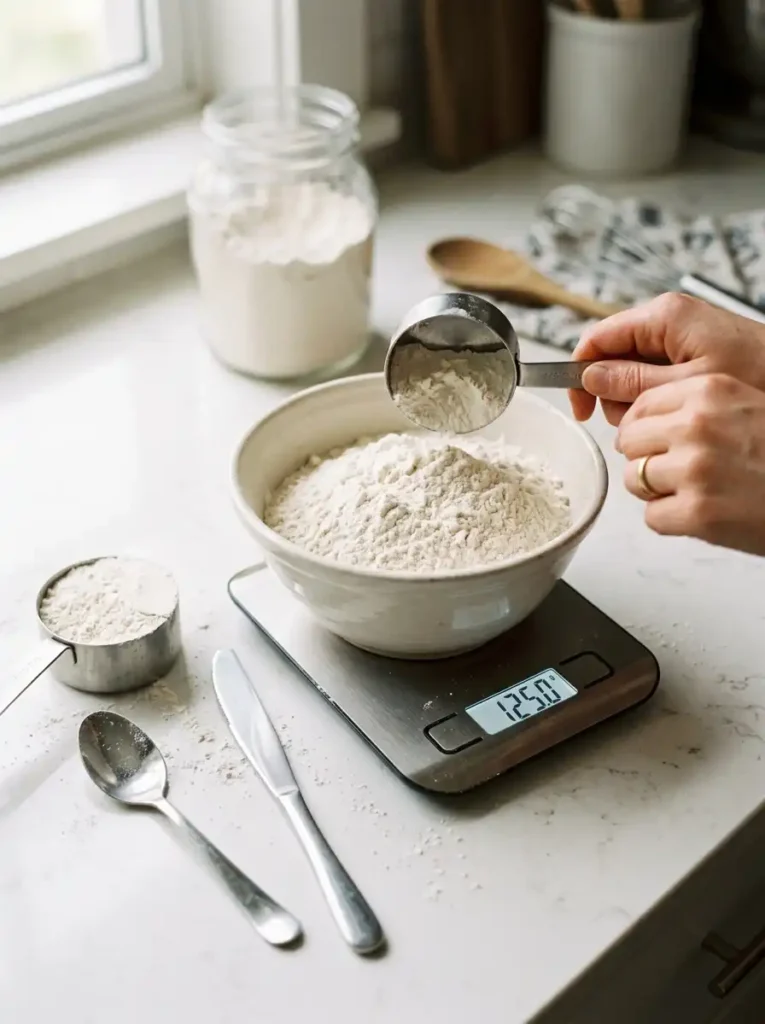
One of the most important baking tips is learning how to measure flour correctly. Too much flour is one of the most common baking mistakes. It can make cakes dry, cookies crumbly, muffins dense, and scones heavy.
The best method is to use a digital kitchen scale. If you use measuring cups, fluff the flour, spoon it into the cup, then level it with a knife. Do not scoop directly from the bag because that packs extra flour into the cup.
3. Preheat the Oven Fully
This is one of those baking tips that looks simple but changes everything. A properly preheated oven helps cakes rise, cookies spread correctly, and crusts set before they become soggy. Many ovens beep before they are truly stable, so give your oven at least 10 to 15 minutes to preheat.
If your baked goods often come out underbaked, pale, or uneven, the oven may not be fully preheated.
4. Use an Oven Thermometer
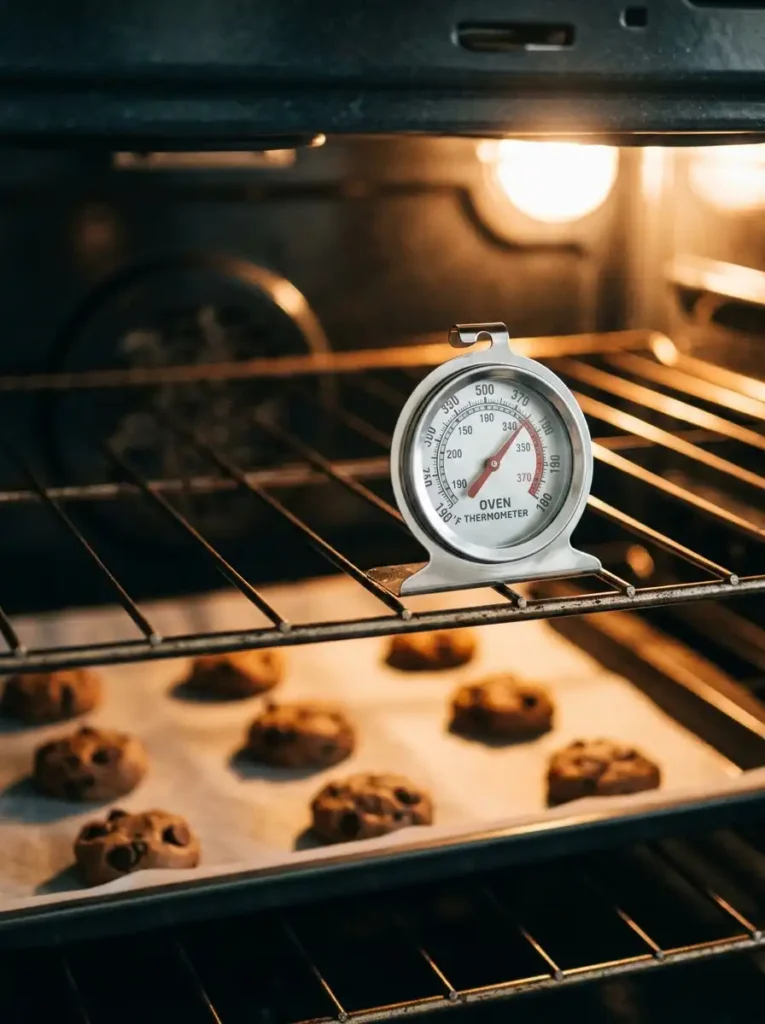
Many baking tips focus on ingredients, but your oven matters just as much. Your oven may not be as accurate as the display says. Some home ovens run hotter or cooler by 15°F to 50°F, which can burn cookies, dry out cakes, or leave brownies raw in the center.
Place an oven thermometer in the center of the oven. If your oven runs hot, lower the temperature slightly. If it runs cool, allow more time or adjust the setting.
5. Use the Ingredient Temperature Listed in the Recipe
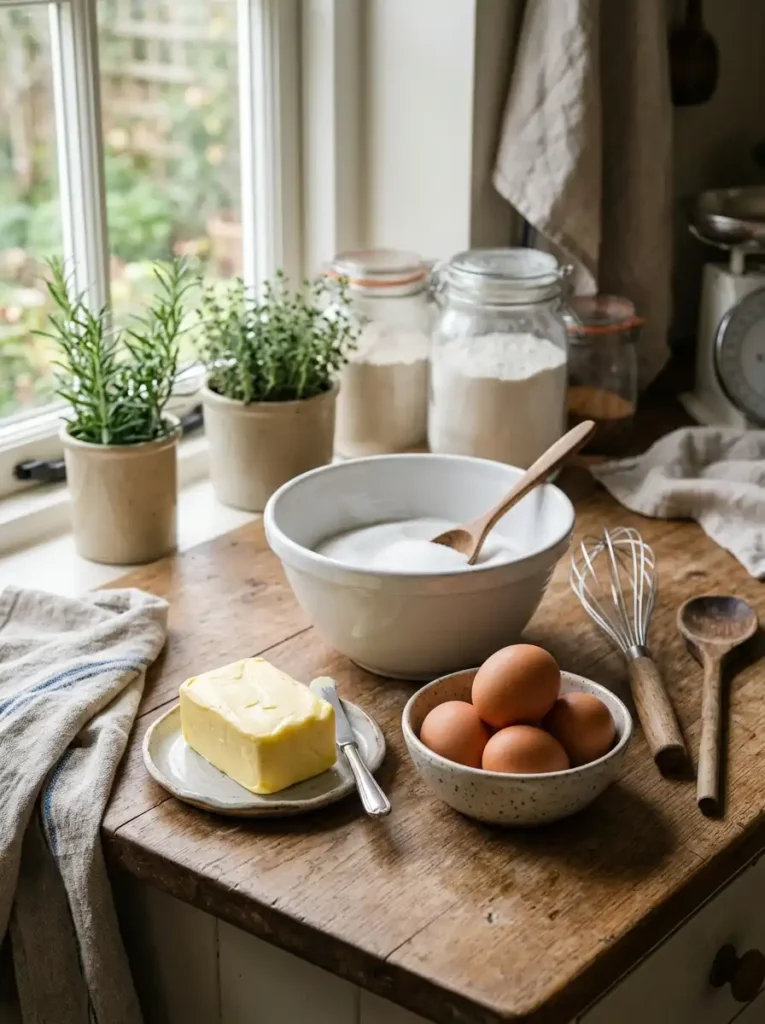
Ingredient temperature matters in baking, and it is one of the baking tips beginners should not ignore. Cold butter, softened butter, melted butter, and room-temperature butter all create different textures.
- Cold butter helps make flaky biscuits, scones, and pie crusts.
- Softened butter creams with sugar for lighter cakes and cookies.
- Melted butter can make cookies and bars chewier.
- Room-temperature eggs mix more smoothly into batters.
- Softened cream cheese makes smoother cheesecake and frosting.
Follow the recipe’s temperature instructions for the best result.
6. Do Not Overmix Batter
Among all baking tips, avoiding overmixing is one of the fastest ways to improve texture. Once flour is added, mix only until the ingredients are combined. Overmixing develops gluten, which can make cakes tough, muffins rubbery, and quick breads dense.
If a recipe says “mix until just combined,” stop when you no longer see large streaks of dry flour. A few small lumps are fine in muffin and pancake batter.
7. Cream Butter and Sugar Long Enough
Creaming butter and sugar is not just mixing. It adds air to the batter, which helps cakes and cookies bake with a lighter texture.
Cream them until the mixture looks lighter in color and fluffy. This usually takes 2 to 4 minutes with an electric mixer. Do not stop as soon as the butter and sugar look combined.
8. Use the Correct Pan Size
Pan size affects baking time, height, browning, and texture. If the pan is too small, batter may overflow or stay raw in the center. If the pan is too large, the dessert may bake too thin and dry.
Use the pan size listed in the recipe whenever possible. Also remember that dark pans brown faster, glass pans hold heat longer, and light metal pans usually bake cakes more evenly.
9. Line Pans with Parchment Paper
This is one of the simplest baking tips for cleaner results. Parchment paper helps prevent sticking and makes cleanup easier. It is especially useful for cakes, brownies, bars, cookies, and sticky desserts.
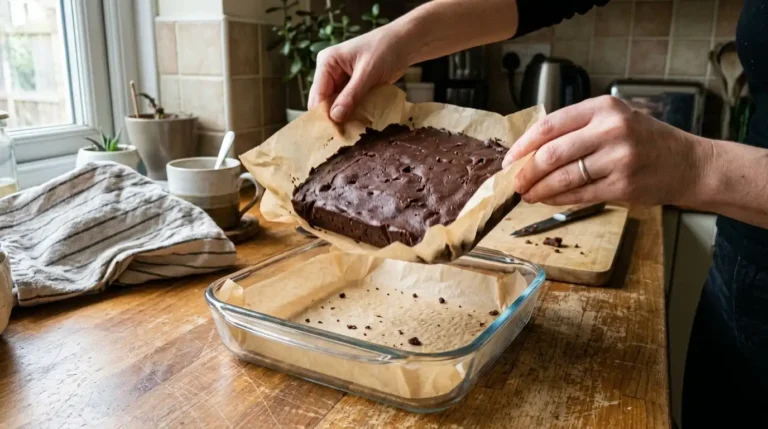
For cakes, grease the pan, add parchment to the bottom, then grease the parchment. For brownies and bars, leave parchment overhang so you can lift them out after cooling.
10. Chill Cookie Dough When the Recipe Says To
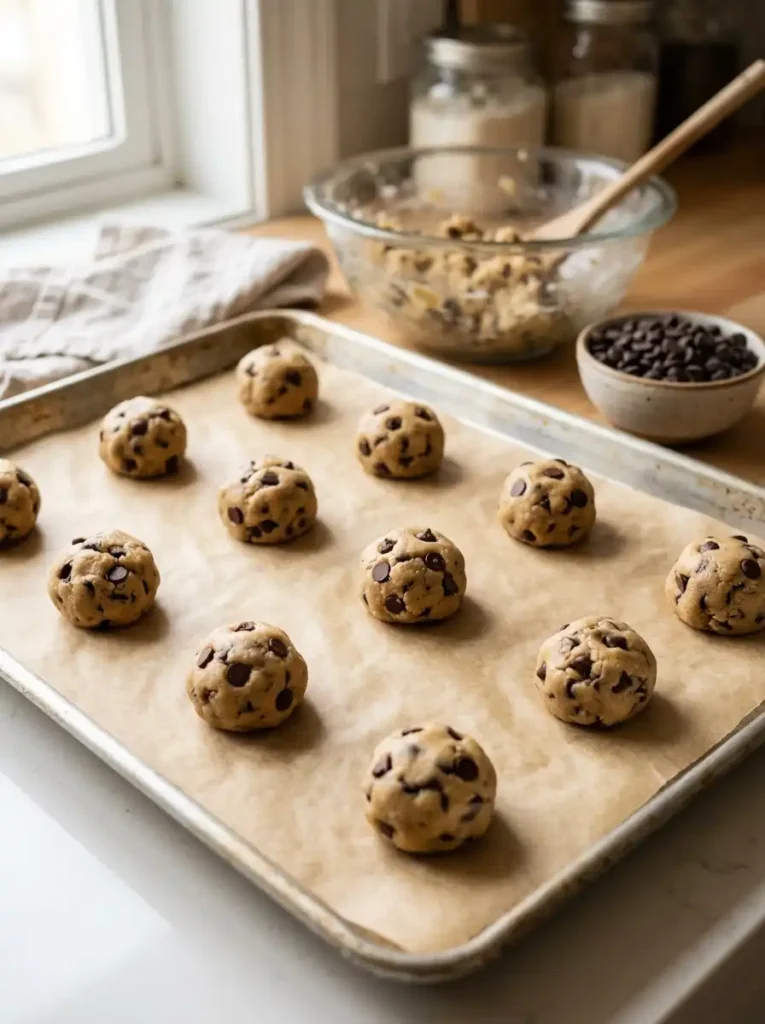
For cookies, one of the best baking tips is to chill the dough when the recipe says to. Chilling firms the butter, reduces spreading, and improves flavor.
Chilling time also matters for no-bake desserts like lemon cheesecake because the filling needs time to set before slicing.
If your cookies often turn out flat, the dough may be too warm. Chill it before baking and always place cookie dough on a cool baking sheet, not a hot one from the previous batch.
For a fun cookie recipe, try these s’mores cookies.
11. Do Not Open the Oven Door Too Early
Opening the oven door releases heat and can affect the structure of cakes, cheesecakes, breads, and pastries. Avoid opening the door during the first part of baking unless the recipe tells you to rotate the pan.
If you need to check or rotate, do it quickly and gently.
12. Check for Doneness a Few Minutes Early
This is especially important for soft cookies like fudge cookies and monster cookies, where the centers should still look slightly soft when they come out of the oven.
Baking times are estimates. Your oven, pan, and ingredient temperature can change the actual time needed.
Start checking a few minutes before the recipe says. Cakes should spring back lightly in the center. Cookies should look set around the edges. Brownies often need a toothpick with moist crumbs, not a completely dry toothpick.
Checking early helps prevent dry cakes, hard cookies, and overbaked brownies.
13. Let Baked Goods Cool Properly
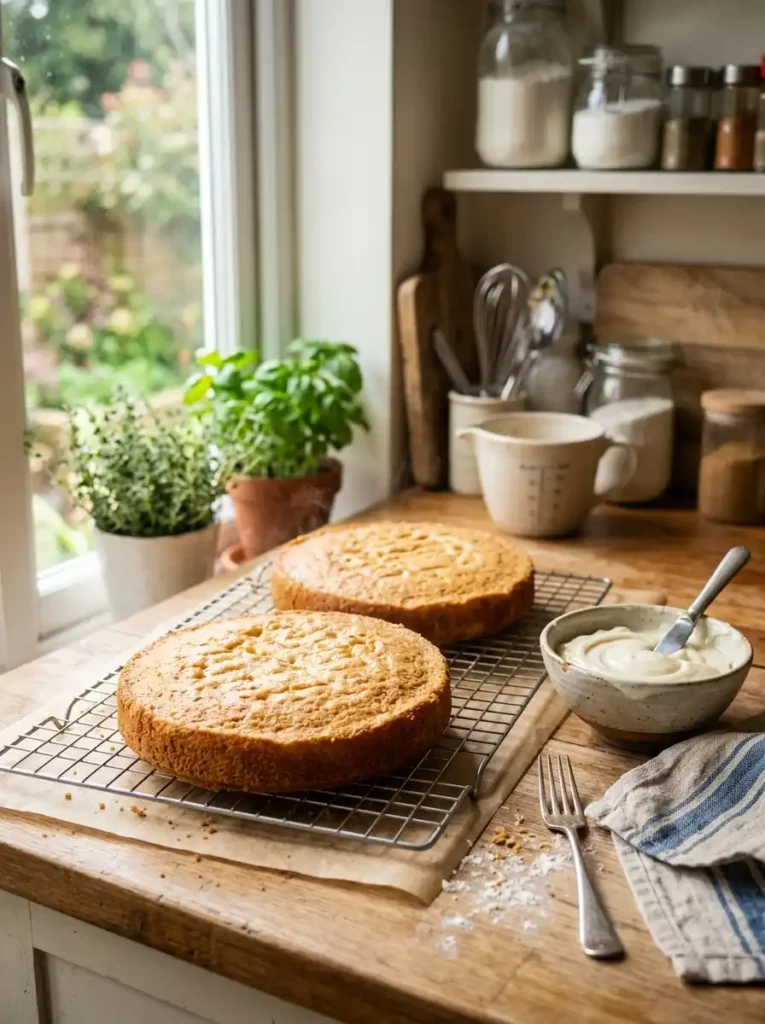
Cooling is part of the recipe. Cakes, cookies, brownies, cheesecakes, and crusts continue to set as they cool.
If you slice too early, the dessert may seem gummy, crumbly, or underbaked. Let cookies rest on the baking sheet for a few minutes, cool cakes before frosting, and let brownies cool fully before slicing.
14. Never Frost a Warm Cake
Warm cake melts frosting, glaze, whipped cream, and cream cheese toppings. It can also make cake layers slide or tear.
Let cake layers cool completely before decorating. If you want a simple topping after the cake cools, try this cream cheese glaze.
15. Keep Notes Every Time You Bake
Every oven and kitchen is different. Keep short notes about pan size, bake time, rack position, substitutions, and what you would change next time.
These notes help you improve faster and repeat your best results.
Common Baking Problems and Quick Fixes
| Problem | Likely Cause | Quick Fix |
|---|---|---|
| Cake sinks in the middle | Underbaked, oven opened early, or too much leavening | Bake until center is set and avoid opening the door early |
| Cake is dry | Too much flour, overbaking, or oven too hot | Measure flour correctly and check early |
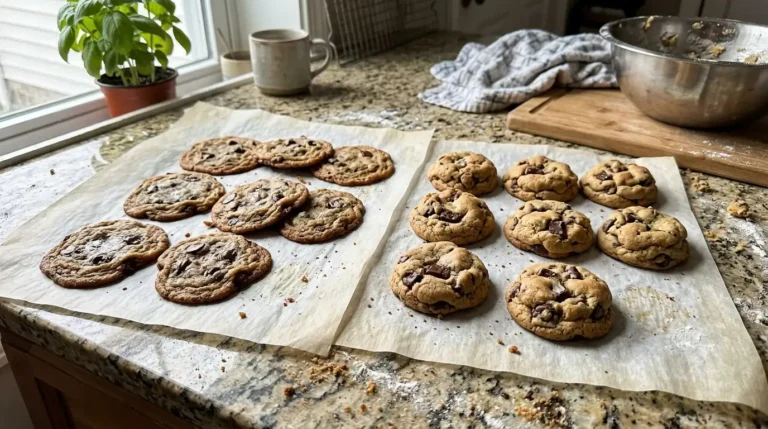
| Cookies are flat | Butter too warm, dough not chilled, or hot baking sheet | Chill dough and use cool pans |
| Muffins are dense | Batter overmixed or leavening old | Mix gently and use fresh baking powder/soda |
| Brownies are dry | Overbaked or pan too large | Check early and use the right pan |
| Cheesecake cracks | Overbaked or cooled too quickly | Bake gently and cool slowly |
| Crumb crust falls apart | Not enough butter or not pressed firmly | Use fine crumbs and press firmly |
| Frosting melts | Cake was still warm | Cool cake completely before frosting |
For crust problems, see this graham cracker crust recipe.
Baking Tips by Dessert Type
For Cakes
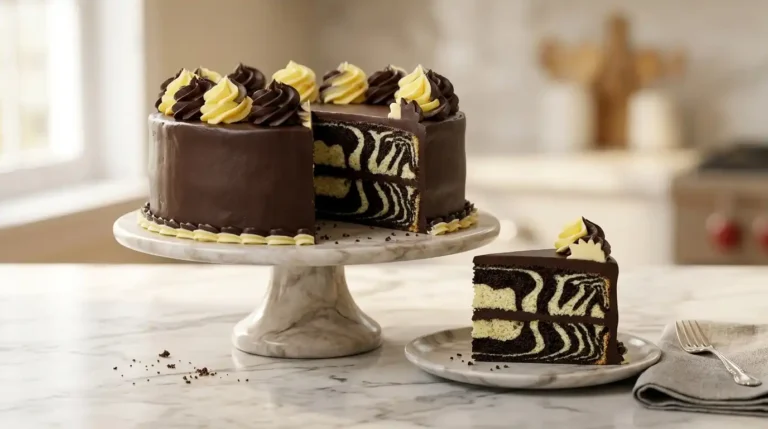
Use room-temperature ingredients when listed, cream butter and sugar properly, avoid overmixing after adding flour, and cool completely before frosting. If you want a cake to practice with, try this zebra cake recipe.
For Cookies
Measure flour carefully, use the correct butter temperature, chill dough when needed, and bake on cool sheets. Remove cookies when the edges are set and the centers still look slightly soft.
For Cheesecake
Use softened cream cheese, mix gently after adding eggs, avoid overbaking, and cool slowly. Cheesecake should be set around the edges with a slight wobble in the center. You can practice with this turtle cheesecake or tiramisu cheesecake.
For Crumb Crusts
Use fine crumbs, enough melted butter, and firm pressure when pressing the crust into the pan. Chill or bake the crust as the recipe directs.
Final Thoughts
Good baking comes from small consistent habits. These baking tips work because they fix the small details that usually ruin homemade desserts. If you measure accurately, preheat the oven, follow ingredient temperatures, avoid overmixing, use the right pan, and cool desserts properly, your cakes, cookies, muffins, brownies, cheesecakes, and crusts will turn out much better.
Start with these basic baking tips, keep notes, and improve one bake at a time.
Frequently Asked Questions
What are the most important baking tips for beginners?
The most important baking tips for beginners are to read the recipe first, measure ingredients accurately, preheat the oven, use the correct ingredient temperatures, avoid overmixing, use the right pan size, and check baked goods a few minutes early.
How do I measure flour correctly?
Use a digital kitchen scale for the most accurate result. If using cups, fluff the flour, spoon it into the measuring cup, and level it with a knife. Do not scoop directly from the bag.
Why do my cakes sink in the middle?
Cakes often sink because they are underbaked, the oven door was opened too early, the batter was overmixed, or too much leavening was used.
Why are my cookies flat?
Cookies usually turn flat when butter is too warm, the dough was not chilled, the baking sheet was hot, or too little flour was added.
Should butter and eggs be room temperature for baking?
Use room-temperature butter and eggs when the recipe asks for them. Some recipes need cold or melted butter instead, so always follow the recipe instructions.
What tools do beginner bakers need?
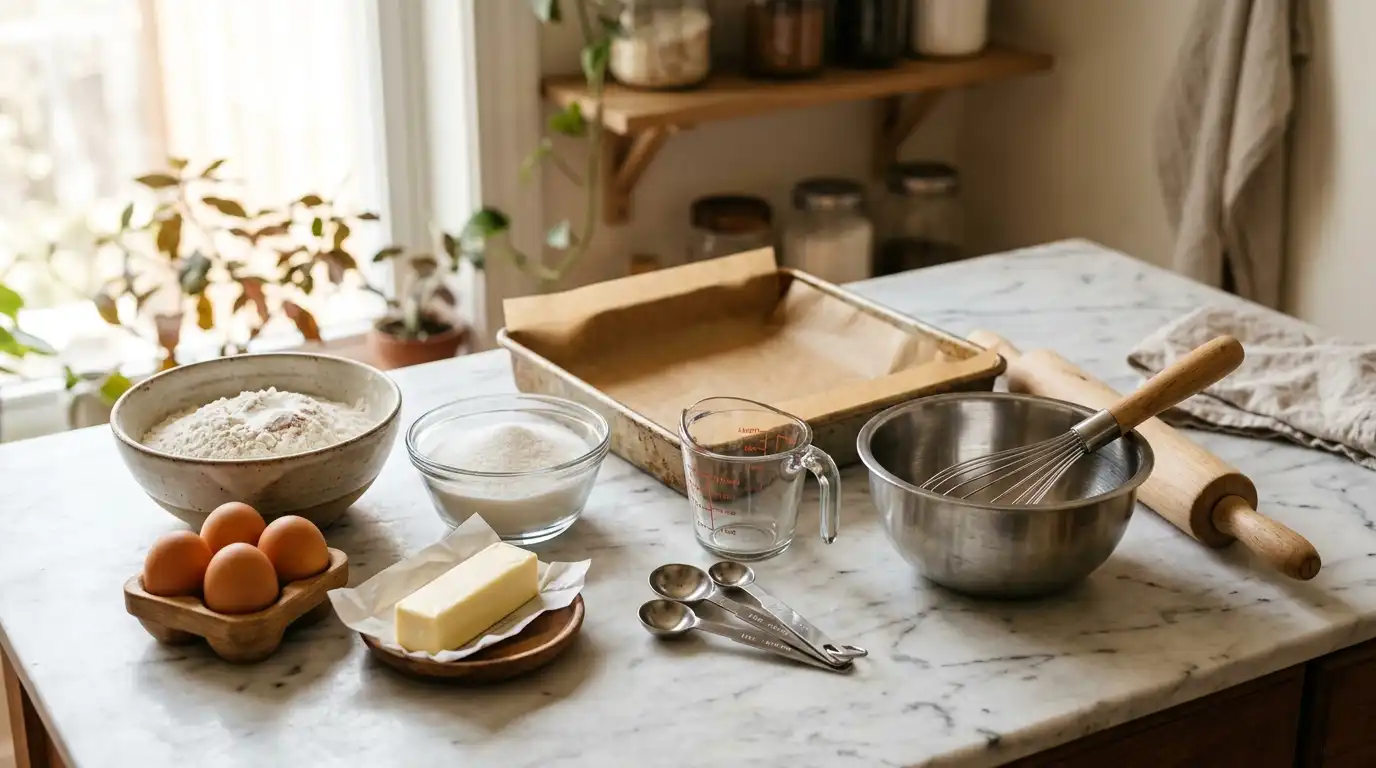
Beginner bakers should have a digital kitchen scale, oven thermometer, measuring spoons, mixing bowls, whisk, silicone spatula, parchment paper, baking sheets, cake pans, and a cooling rack.