Cake Flour and Regular Flour — Refresh Draft for the Existing Page
Quick answer: In U.S. baking, “regular flour” usually means all-purpose (AP) flour. Cake flour has less protein and can give cakes a finer, more tender crumb; all-purpose flour gives a little more structure and works in a wider range of bakes. Cake flour and regular flour are not interchangeable in every direction: AP flour can often replace cake flour in a pinch, but cake flour is a less reliable swap in a recipe written for AP flour. For a closer one-cup substitute, measure 1 cup AP flour, remove 2 tablespoons, add 2 tablespoons cornstarch, and sift the mixture twice.
When comparing cake flour and regular flour, this guide uses “regular flour” to mean all-purpose flour, not self-rising or bread flour. If your package says “plain flour,” check the recipe and package because products vary by country and brand.
Cake flour and regular flour: quick comparison
| Flour | Typical protein level* | What it tends to do | A good fit for |
|---|---|---|---|
| Cake flour | About 7–10%, depending on brand | Less gluten-forming potential; a soft, fine crumb | Delicate cakes and cupcakes when the recipe calls for it |
| All-purpose (regular) flour | About 10–12%, depending on brand | More structure and flexibility | Recipes written for AP flour, plus many everyday bakes |
*These are useful ranges, not guarantees. Some unbleached cake flours sit near the upper end; check the package if the exact protein level matters.
The simplest difference between cake flour and regular flour is how much structure the flour can help provide. Protein is only one part of a cake, though: sugar, fat, eggs, mixing, and baking also shape the crumb. Both flours can produce a soft cake; neither makes every recipe better automatically.
What cake flour and regular flour do to the crumb
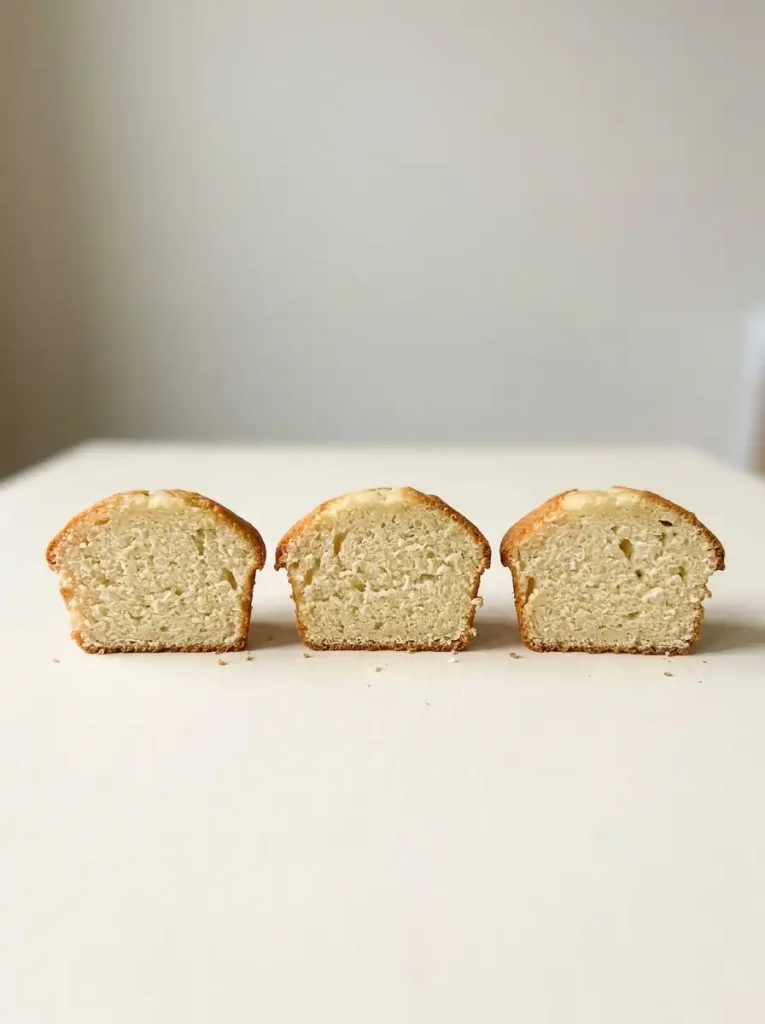
The protein difference between cake flour and regular flour matters when flour is mixed with liquid: its proteins can form gluten. More protein generally means more potential structure, especially with longer mixing. Cake flour’s lower protein level can help produce a more tender, less chewy crumb; AP flour gives a recipe more support.
Milling and bleaching can also affect how a flour behaves, but not all cake flour is bleached. Some brands sell unbleached cake flour, so it is inaccurate to describe every box as bleached or to assume all brands will produce identical results. The recipe matters more than a blanket rule about one flour being “best.”
Choosing between cake flour and regular flour
Start with the flour named in the recipe. The better choice between cake flour and regular flour depends on the recipe’s texture goal: use cake flour for a fine, delicate crumb; use AP flour when the formula relies on more structure. Angel food, chiffon, and some white or vanilla cakes can be sensitive to substitutions, so follow the recipe’s directions.
If you are simply choosing something to bake, rather than changing a recipe’s flour, browse our lemon raspberry cupcakes, banana cake with cream cheese frosting, or chocolate chip Bundt cake.
Can you swap cake flour and regular flour?
Of the two cake flour and regular flour swaps, using AP flour in a cake-flour recipe is usually the more forgiving. The cake may be a little less tender or have a slightly coarser crumb, but it can still work. Use the recipe’s own substitution note first; otherwise, try the cornstarch mixture below for a closer approximation.
Results from a cake flour and regular flour swap are not guaranteed to match: brands and recipes differ, and delicate cakes may show the change more than sturdy ones. If a very light, fine crumb is central, actual cake flour is the safer choice.
How to make a one-cup cake flour substitute
For a closer approximation between cake flour and regular flour, use this volume method when a recipe calls for 1 U.S. cup cake flour:
- Measure 1 level cup all-purpose flour using the spoon-and-level method; do not pack it into the cup.
- Remove 2 level tablespoons of the flour.
- Add 2 tablespoons cornstarch to replace the flour you removed.
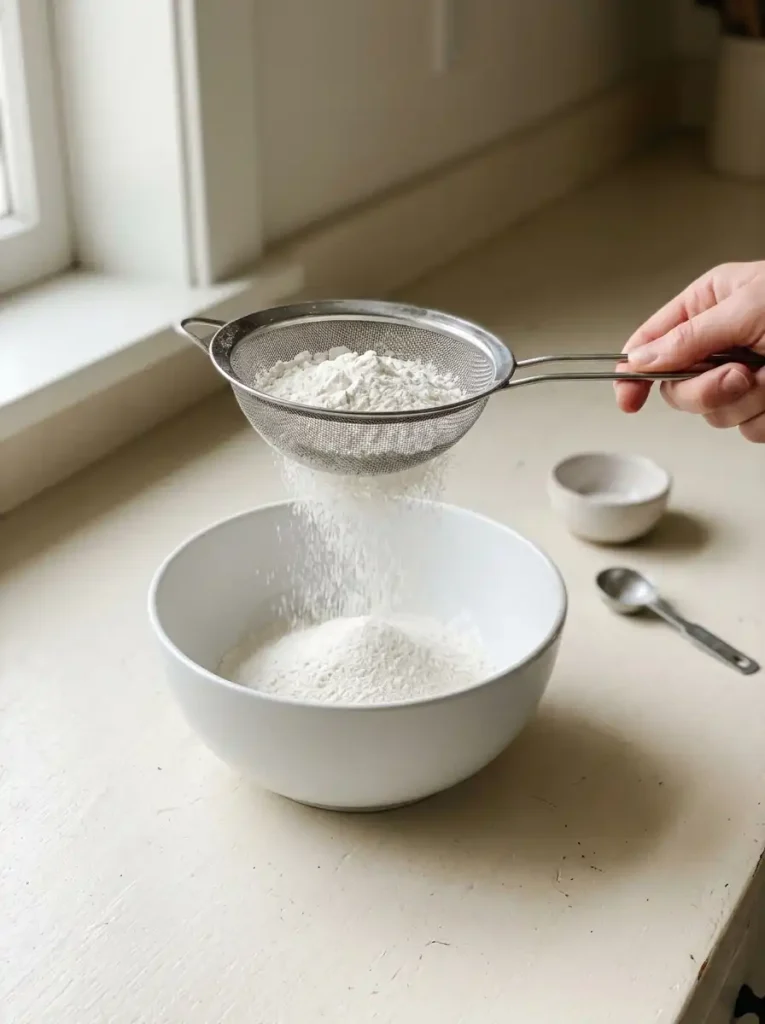
- Whisk well, then sift the mixture twice so the starch is distributed evenly.
- Use the mixture in place of 1 cup cake flour by volume in a recipe where a substitute is appropriate.
Do not add the cornstarch on top of a full cup of AP flour; removing the tablespoons first keeps the total amount close to one cup. This mixture is a practical approximation, not identical to every store-bought cake flour and not a guarantee of the same crumb.
Baking by weight? Published gram versions vary because flour brands and measuring methods vary. King Arthur Baking’s published method uses 105 g all-purpose flour plus 14 g cornstarch for about 1 cup of substitute. Treat that as an approximation, not a universal gram-for-gram conversion; follow a recipe’s own weight-based substitution if it provides one.
Can cake flour replace regular flour?
The reverse swap between cake flour and regular flour is less dependable. Cake flour has less protein, so a recipe designed for AP flour may not get the structure it needs. Cookies or bars can turn out more delicate or fragile, and yeast doughs need the stronger flour specified by the recipe. Some cake recipes may tolerate cake flour, but do not assume it is a one-to-one replacement for regular flour across every bake.
The short version: when a recipe calls for regular flour, use AP flour unless the recipe developer says cake flour works. When a recipe calls for cake flour and you only have AP flour, use the recipe’s substitution note or the cornstarch method above.
Common mistakes to avoid
- Using self-rising flour as if it were AP flour: self-rising flour already contains leavening and salt, which can throw off a recipe.
- Adding cornstarch without removing flour: this changes the total amount and can affect the batter.
- Overmixing to “fix” a flour swap: stop mixing once the dry ingredients are incorporated; extra mixing can develop more gluten.
- Assuming the same flour swap works in every recipe: cake flour and regular flour behave differently, and the recipe’s structure matters.
Frequently asked questions
How are cake flour and regular flour different?
Cake flour and regular flour differ mainly in protein and the crumb they are intended to produce: AP flour usually gives more structure, while cake flour aims for a more tender, fine crumb. Exact protein levels vary by brand.
Can I use regular flour instead of cake flour?
Often, yes, for a cake in a pinch, though the crumb may be a little less tender. For a closer substitute, use 1 cup AP flour minus 2 tablespoons, plus 2 tablespoons cornstarch, sifted twice. Use actual cake flour when a delicate recipe specifically depends on it.
Can I use cake flour instead of regular flour?
Not as a universal swap. A recipe written for AP flour may need that extra structure; follow the recipe’s flour choice unless it provides a substitution.
Is cake flour gluten-free?
No. Cake flour is wheat flour and contains gluten. If you need to avoid gluten, use a recipe developed for a suitable gluten-free flour blend rather than adding cornstarch to cake flour or AP flour.
Does cake flour contain baking powder?
Plain cake flour does not. Self-rising flour is a separate product with added leavening and usually salt, so it is not a direct replacement for cake flour or AP flour.
Bottom line
The practical difference between cake flour and regular flour is tenderness versus structure—not “good flour” versus “bad flour.” Follow the recipe’s flour choice when you can. If you are out of cake flour, AP flour often works in a cake, and the cornstarch mixture is a closer approximation; swapping cake flour into an AP-based recipe is less predictable. For more kitchen fundamentals, explore our baking tips and guides.
Homemade Cake Flour Substitute (1 Cup)
Ingredients
Equipment
Method
- Measure 1 level cup of all-purpose flour using the spoon-and-level method. Do not pack the flour into the cup.
- Remove 2 level tablespoons of the flour and set them aside for another use.
- Add 2 tablespoons cornstarch to the remaining flour.
- Whisk the flour and cornstarch together, then sift the mixture twice into a bowl.
- Use by volume in place of 1 cup cake flour when the recipe allows this substitution. For a recipe written in grams, follow that recipe’s own weight-based substitution because flour weights vary by brand and method.